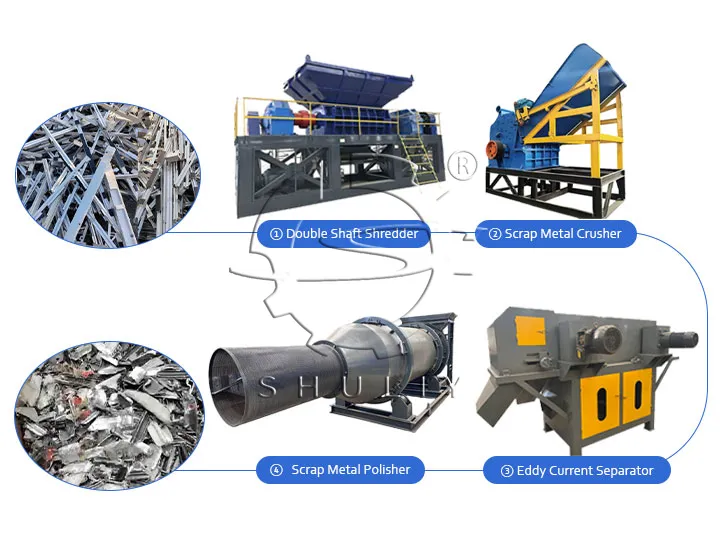
When dealing with thermal break aluminum scrap, many customers encounter the same challenge: how to efficiently separate aluminum from non-metal materials such as plastics. A well-designed thermal break aluminum recycling line can simplify the process and convert mixed waste into valuable resources.
In this article, we’ll walk through a typical solution and explain how each stage works in real production.
What Is Thermal Break Aluminum Recycling?
Thermal break aluminum is widely used in door and window manufacturing. It combines aluminum with insulating materials such as plastic. While this improves thermal performance, it also makes recycling more complex.
So the key question becomes:
How can aluminum be effectively separated from non-metal materials?
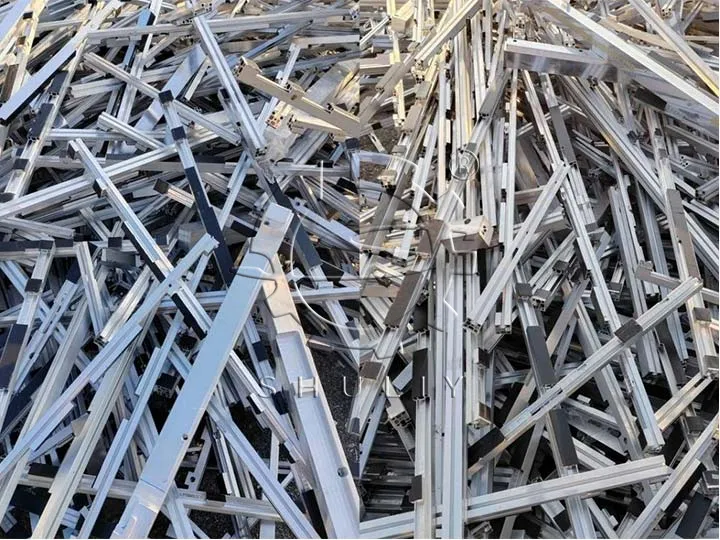
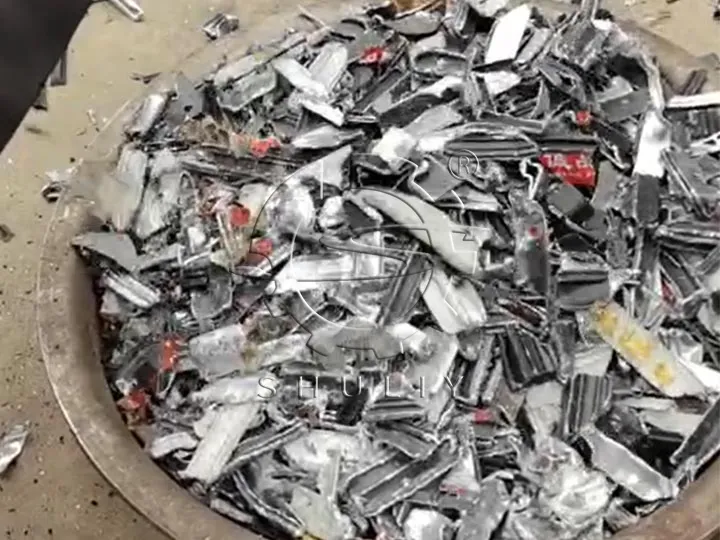
Typical Process of a Thermal Break Aluminum Recycling Line
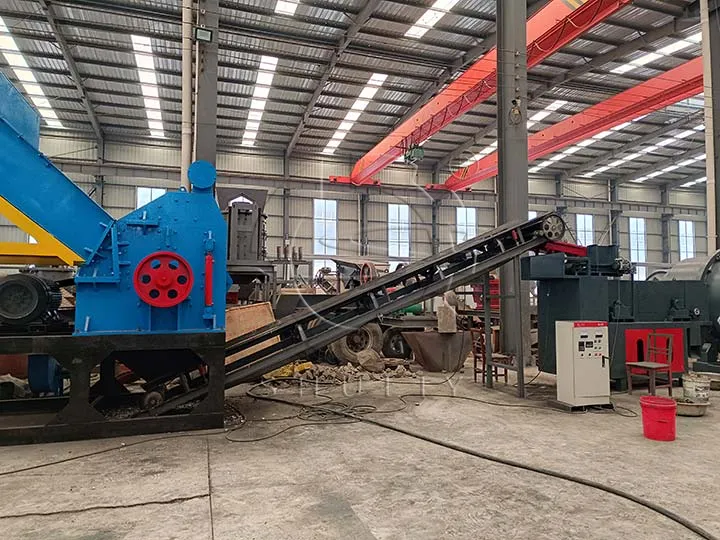
A standard thermal break aluminum recycling line generally includes three core machines:
Metal Shredder → Aluminum Crusher → Eddy Current Separator
Each machine plays a specific role and together they form a complete recycling process.
Process Flow and Core Equipment
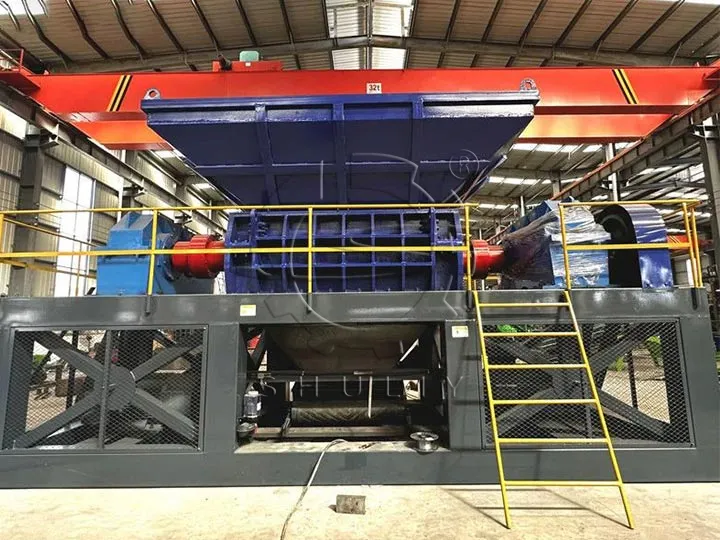
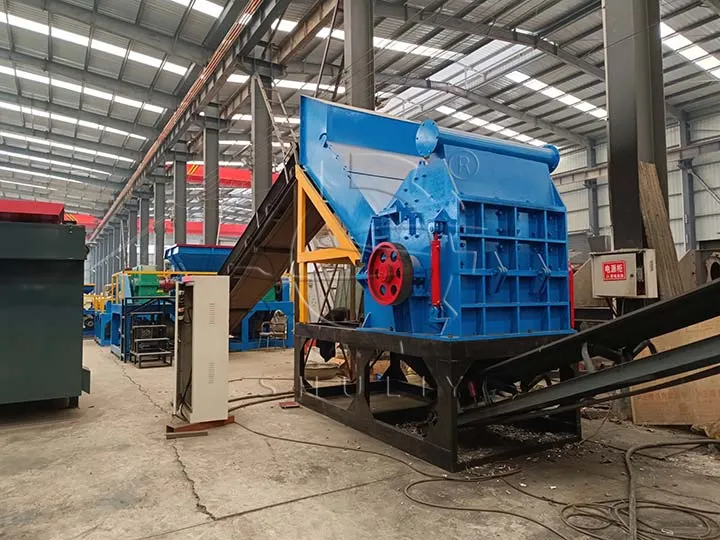
1. Metal Shredder (Primary Size Reduction)
Function: Reduce material size through tearing and shearing, enabling stable feeding and secondary crushing.
Features:
- Multiple models available to match different capacities and feed sizes (full-length profiles, offcuts, frames, etc.).
- Wear-resistant cutters suitable for mixed feeds with some impurities.
- Stable operation; effective for opening and disassembling long, hollow profiles.
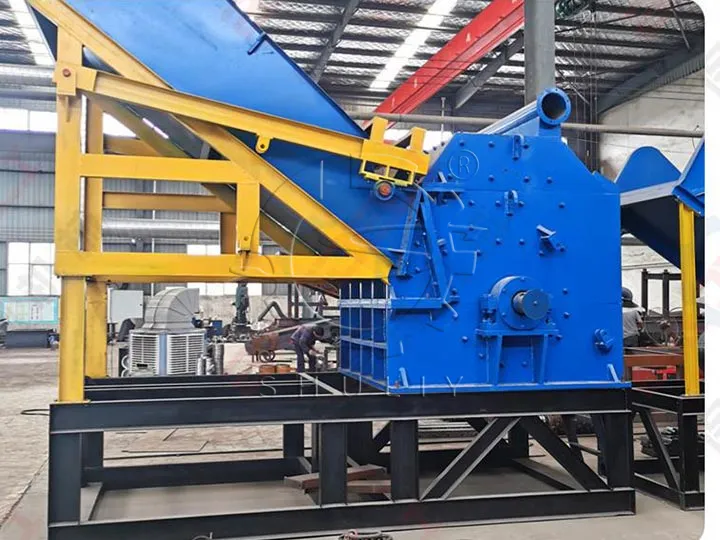
2. Scrap Aluminum Crusher (Secondary Crushing)
Function: Hammer-impact crushing of shredded material to meet particle size requirements for downstream separation.
Discharge size: Approximately 3–10 cm, in small balls or blocks.
Features:
- Hammer impact crushing with simple structure and easy maintenance.
- Further decouples metals from non-metals in thermal break aluminum, improving separation efficiency.
- Adjustable grate and speed based on material hardness and shape.
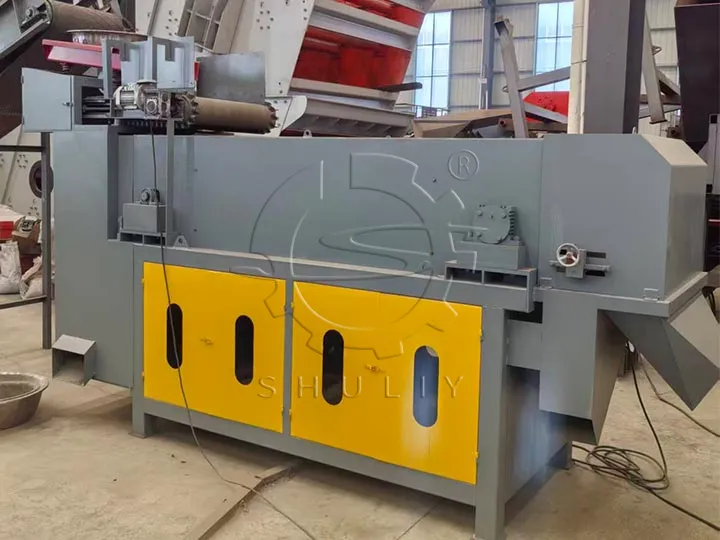
3. Eddy Current Separator (Non-Ferrous Metal Recovery)
Also known as: Copper-aluminum separator, non-ferrous eddy current separator.
Function: Automatic separation of non-ferrous, non-magnetic metals (mainly aluminum, copper) from non-metals.
Features:
- Good separation performance for various non-magnetic metals; suitable for mixed thermal break aluminum feed.
- Improves non-ferrous recovery rate and reduces manual sorting.
- Applicable for separating aluminum from plastics, rubber, wood, glass, and other non-metals.
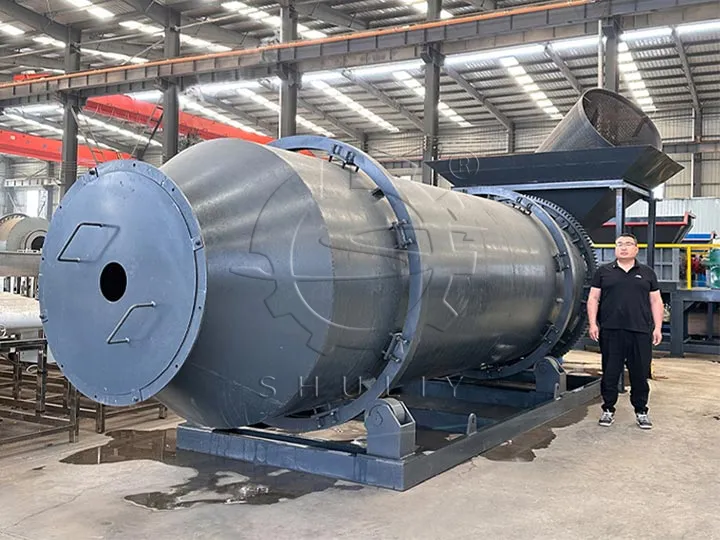
4. Optional: Metal Dry Grinder (Final Finishing)
Function: Deburring, derusting, edge rounding, and polishing of aluminum granules or blocks.
Applications: Deburring and surface finishing of metals, fire-burned iron, shredded feed, non-ferrous and non-metal parts; especially suitable for easily deformable workpieces.
Effect: Improves surface roughness by about 1–2 grades without changing part form and dimensional accuracy; suitable for medium to larger parts.
Thermal Break Aluminum Recycling Line Working Video
Applications and Suitable Materials
- Thermal break aluminum window and door offcuts, recovered frames, and dismantled materials.
- Aluminum composite profiles, aluminum-plastic mixtures, light mixed metal shredded feed.
- Compatibility with other systems: Can be integrated with upstream dismantling and baling lines and downstream balers and pre-smelting cleaning stages.
Expected Results and Product Quality
- High non-ferrous recovery with significantly improved aluminum purity and effective removal of non-metallic impurities.
- Stable discharge form, suitable for baling and transport; after dry grinding, better surface cleanliness and smelting suitability.
- Clear line structure with simple maintenance; modular configuration to match site and capacity needs.
How to Choose the Right Configuration?
In real applications, every customer has different requirements. You may want to consider:
- What is the size and condition of your raw materials?
- What processing capacity do you need?
- How high is your requirement for separation purity?
These factors will influence equipment selection and thermal break aluminum recycling line configuration. A tailored solution is usually more effective than a standard one.
Final Thoughts
A properly configured thermal break aluminum recycling line can achieve efficient and stable material recovery through shredding, crushing, and separation.
If you are planning to start or optimize your recycling operation, it’s worth evaluating your process step by step. Even small adjustments can lead to better separation results and improved economic returns.