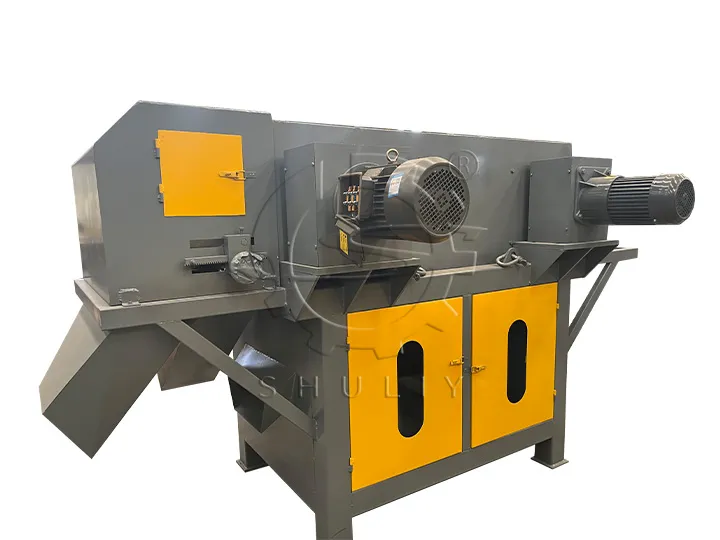
Separator ya umeme wa eddy ni mashine muhimu isiyoweza kukosekana katika mnyororo wa urejelezaji wa alumini wa thermal break. Wakati wa kuwasiliana na wateja wa urejelezaji wa alumini wa thermal break, mara nyingi huuliza swali lile lile: jinsi gani alumini, shaba, plastiki, na chuma vinaweza kutenganishwa kwa ufanisi huku utendaji wa kutenganisha ukiwa imara na gharama za kazi zikidhibitiwa?
Katika mnyororo wa kusaga na kutenganisha wa alumini wa thermal break, alumini eddy current ni vifaa muhimu vinavyotatua changamoto hii.
Mkakati wa Kutenganisha Kulingana na Sifa za Alumini wa Thermal Break
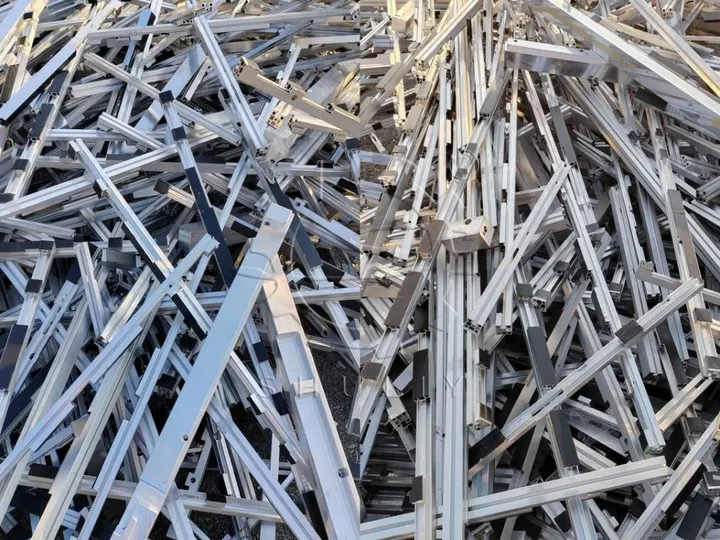
Profaili za alumini za thermal break zina muundo tata. Kwa kawaida zinajumuisha profaili za alumini, nyuzi za insulation za plastiki, na sehemu ndogo za chuma au visu. Kusaga peke yake hakutoshi kufanikisha urejelezaji wa ufanisi—kiwango halisi cha thamani ya urejelezaji kinapatikana kwa kutenganisha kwa usahihi baada ya mchakato wa chini.
Kulingana na uzoefu wetu wa mradi, separator ya umeme wa eddy inafanya kazi kwa kazi zifuatazo:
- Kwa ufanisi kutenganisha alumini iliyovunjika kutoka kwa nyuzi za insulation za plastiki
- Kwa usahihi kutenganisha metali zisizo na feri baada ya hatua ya kuondoa feri
- Kutoa vifaa safi kwa kupiga polishing, kuondoa kutu, na kufunga
Hii ndiyo sababu wateja wa urejelezaji wa alumini wa thermal break mara nyingi huangazia sana mpangilio na utendaji wa separator ya umeme wa eddy.
Video ya Kazi ya Separator ya Shaba na Alumini
Mipangilio ya kawaida ya mstari wa kusaga na kutenganisha alumini wa thermal break
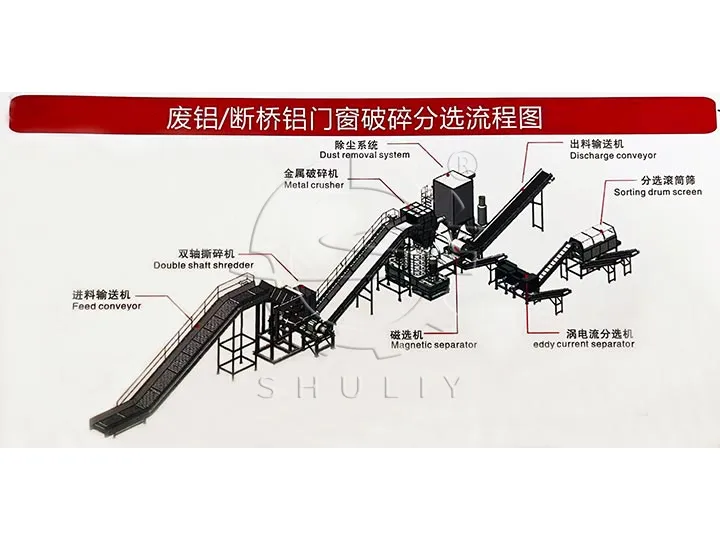
Kwa urejelezaji wa alumini wa thermal break, tunapendekeza mchakato ufuatao wa kazi:
Kata ya Chuma → Kichakata cha Chuma → Mtoaji wa Umeme wa Eddy → Mashine ya Kupaka Kavu (Kupaka & Kuondoa Oksidi)
- Shredder ya chuma: Fanya usindikaji wa awali wa nyuzi za alumini za thermal break za urefu mrefu
- Kichakata chuma: Inazalisha uhuru zaidi wa alumini, plastiki, na vifaa vilivyobandikwa
- Separator ya umeme wa eddy: Inatenganisha kiotomatiki alumini, shaba, plastiki, na vifaa vingine
- Mashine ya kupaka kavu: Inapaka alumini iliyotenganishwa na kuondoa safu za oksidi ili kuboresha ubora wa mwisho wa bidhaa
Mstari huu wa kusaga na kutenganisha alumini umekuwa ukifanya kazi kwa utulivu katika miradi mingi na unafaa kwa shughuli za urejelezaji wa kiwango kikubwa na endelevu.
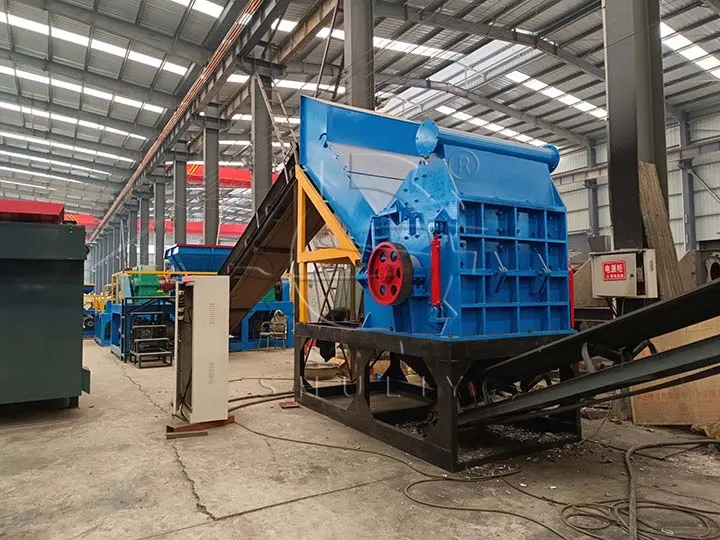
Sio Tu kwa Alumini wa Thermal Break, bali Pia Inafaa kwa Vifaa Vingi vya Mchanganyiko wa Ugumu
Ingawa separator hii ya umeme wa eddy ya alumini inatumika sana na kwa mafanikio katika mistari ya urejelezaji wa alumini wa thermal break, katika miradi halisi pia tunaiweka kwa wateja kwa matumizi mengine ya kutenganisha vifaa mchanganyiko.
Baada ya usindikaji wa awali wa juu na kusaga, mashine hii inafaa sawasawa kwa kutenganisha vifaa vifuatavyo:
- Urejelezaji wa metali zisizo na feri kutoka kwa taka za mtaa na mabaki ya viwanda
- Kutenganisha shaba na alumini kutoka kwa taka za elektroniki zilizovunjwa na PCB
- Usindikaji wa taka za ujenzi kama vile madirisha, milango, na alumini wa thermal break zilizotupwa
- Kutenganisha chuma kutoka kwa magari yaliyomaliza maisha kwa kusaga
- Kutenganisha kiotomatiki kwa metali zisizo na feri kama shaba na alumini
Kulingana na uzoefu wetu wa mradi, mradi vifaa vinavyotosha na ukubwa wa chembe vinapokidhi, separator ya umeme wa eddy inaweza kutoa utendaji wa kutenganisha wa kuaminika na thabiti.
Hii ndiyo sababu wateja wengi, wanapopanga mistari ya urejelezaji, wanapendelea kutumia vifaa hivi kama kitengo cha kutenganisha metali zisizo na feri kwa ujumla, kuruhusu matumizi yake kwa urahisi katika miradi tofauti ya usindikaji wa vifaa.
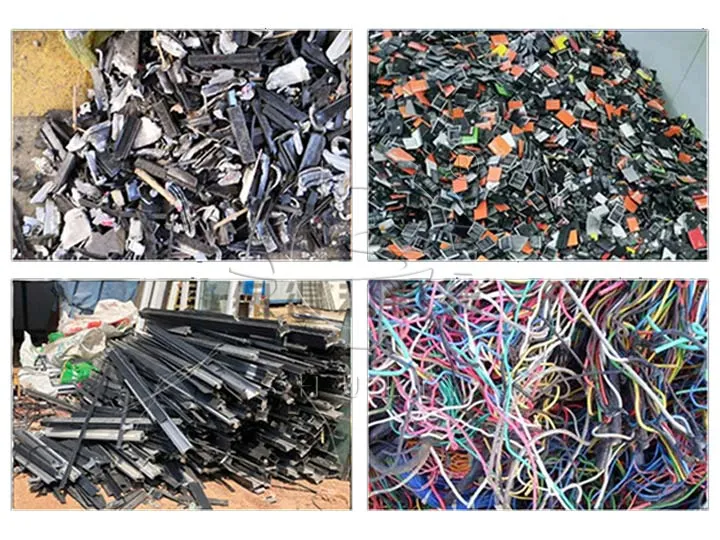
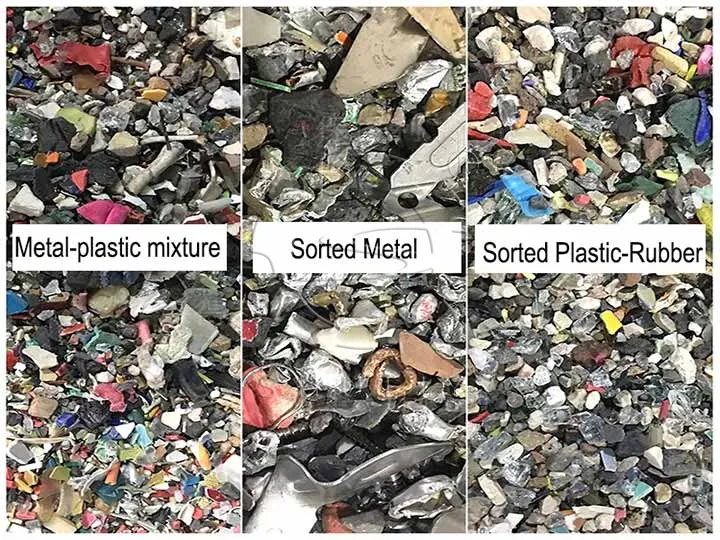
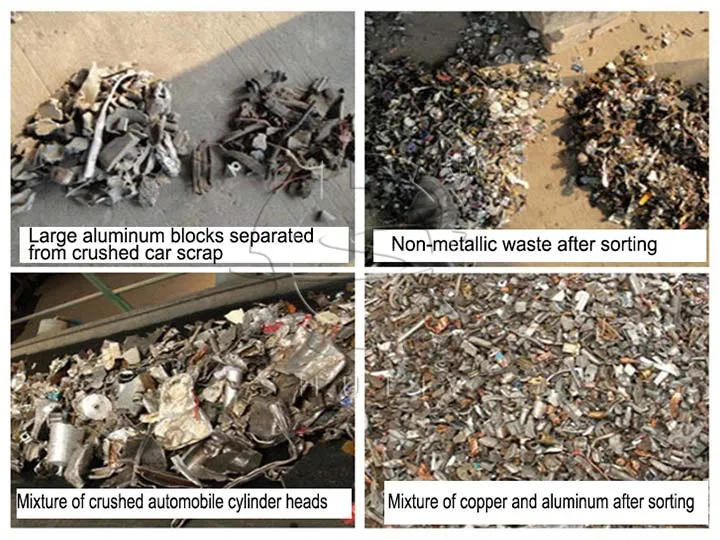
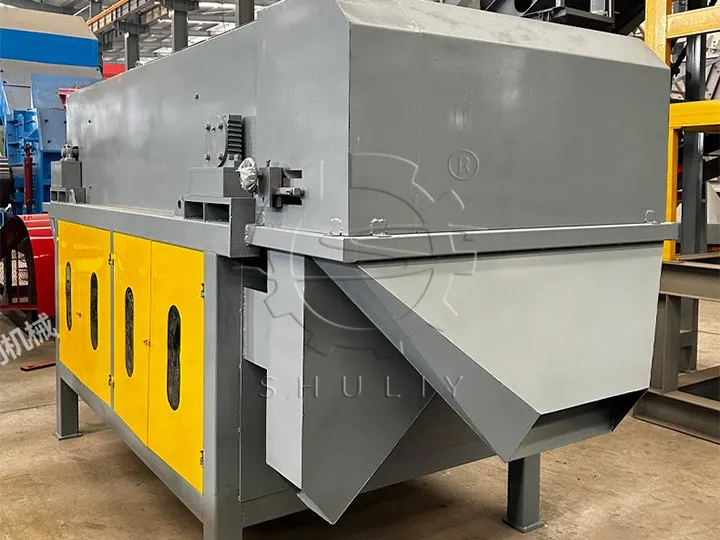
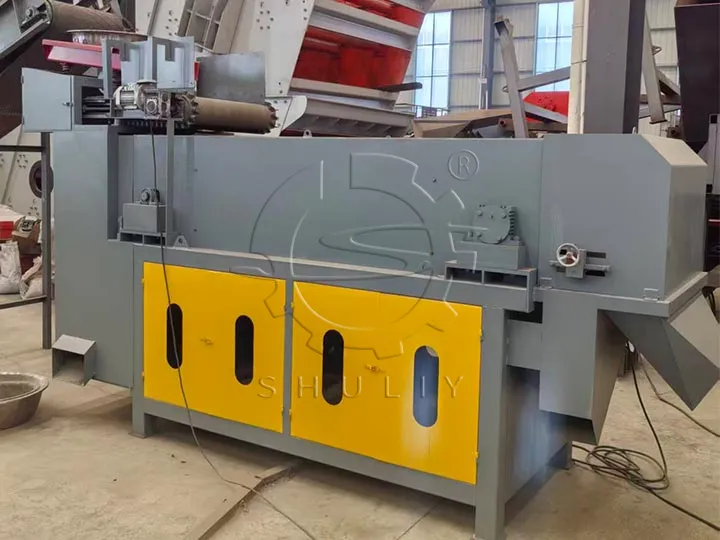
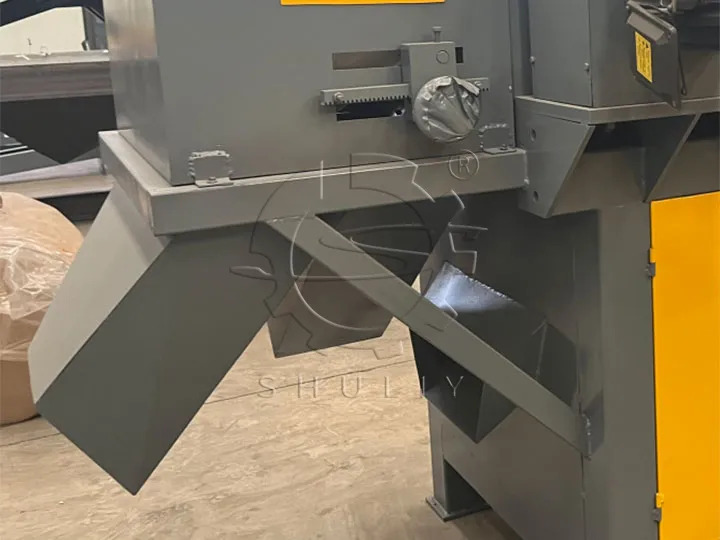
Vyanzo vinne vya kutolea vilivyoundwa kwa ajili ya kutenganisha alumini wa thermal break
Katika matumizi ya alumini wa thermal break, makundi ya vifaa ni wazi lakini yamechanganyika kwa karibu. Separator hii ya sumaku wa umeme wa eddy inachukua muundo wa vyanzo vinne vya kutolea, kuruhusu wateja kupata vifaa vinavyotumika moja kwa moja:
- Vyanzo vya plastiki: Kawaida nyuzi za insulation za thermal break
- Vyanzo vya feri: Sehemu za chuma zilizobaki na visu
- Vyanzo vya alumini na shaba: Metali zisizo na feri za thamani kubwa
- Vyanzo vingine vya uchafu: Kwa usafirishaji wa makao makuu
Muundo huu wa kutolea unapunguza sana hitaji la usafishaji wa mikono wa chini.
Kanuni ya Kutenganisha na Faida za Muundo
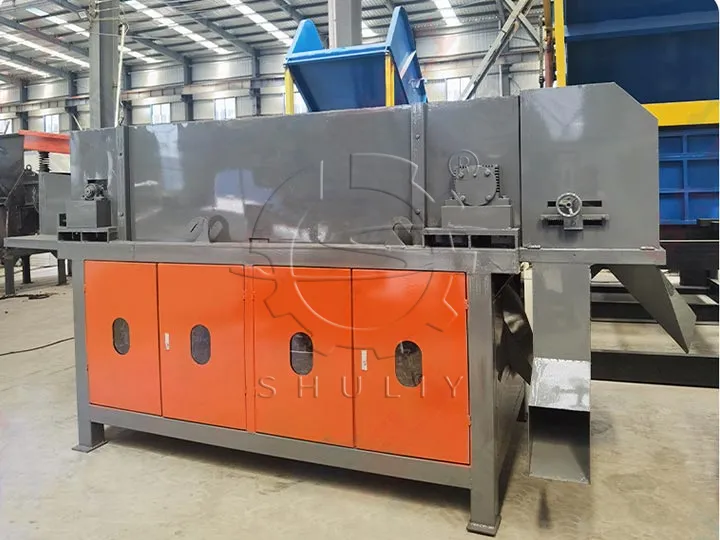
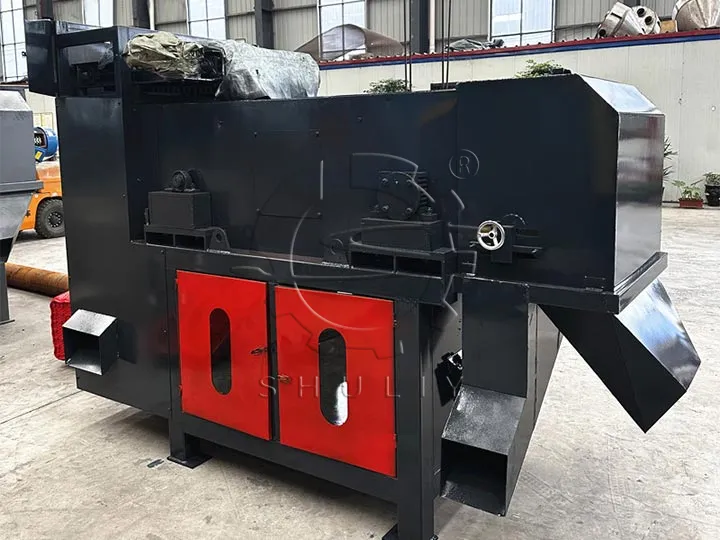
Kwenye mwelekeo wa kanuni ya kazi, separator ya shaba-alumini hutumia athari ya umeme wa eddy inayotokana na metali zisizo na feri katika uwanja wa sumaku wa mabadiliko ili kufanikisha kutenganisha kiotomatiki alumini na plastiki. Ni mchakato wa kutenganisha wa kiasili wa kimwili bila maji taka au gesi ya hewa.
Kwa kuzingatia sifa za alumini wa thermal break, vifaa vina faida zifuatazo za muundo:
- Rotor ya sumaku ya NdFeB ya kudumu yenye nguvu ya sumaku kwa uendeshaji wa muda mrefu
- Muundo wa mzunguko wa sumaku wa eccentric na nafasi ya katikati inayoweza kubadilishwa ili kuendana na ukubwa tofauti wa chembe za kusaga
- Udhibiti wa mzunguko wa mbele / nyuma wa rotor wa sumaku ili kuendana na ukubwa tofauti wa vipande vya alumini vya thermal break
- Ufanisi mzuri wa kutenganisha kwa chembe za alumini wa thermal break za zaidi ya 2 mm
- Muundo wa ulinzi wa mfumo wa sumaku ili kuhakikisha usalama wakati wa uendeshaji wa kasi ya juu
Mipangilio yote hii imetengenezwa mahsusi kwa hali za urejelezaji wa alumini wa thermal break.
Kwa nini Wauzaji wa Alumini wa Thermal Break Wanahamia Kutoka kwa Usafishaji wa Mikono
Ikilinganishwa na usafishaji wa mikono wa jadi, separator za umeme wa eddy zinaonyesha faida wazi sana katika urejelezaji wa alumini wa thermal break:
- Kasi ya hali ya juu ya uchoraji, inayofaa kwa urejelezaji wa kiwango kikubwa
- Matokeo thabiti ya kutenganisha na usafi wa alumini wa juu
- Kiwango cha juu cha automatisering, kupunguza sana gharama za kazi
- Uunganisho usio na mshono kwenye mistari kamili ya urejelezaji wa alumini wa thermal break
- Uwezo mkubwa wa kubadilika kwa ukubwa tofauti wa chembe
Kwa wateja wanaolenga kuboresha ufanisi wa urejelezaji na ubora wa bidhaa ya mwisho, hii ni suluhisho endelevu na la kuaminika zaidi.
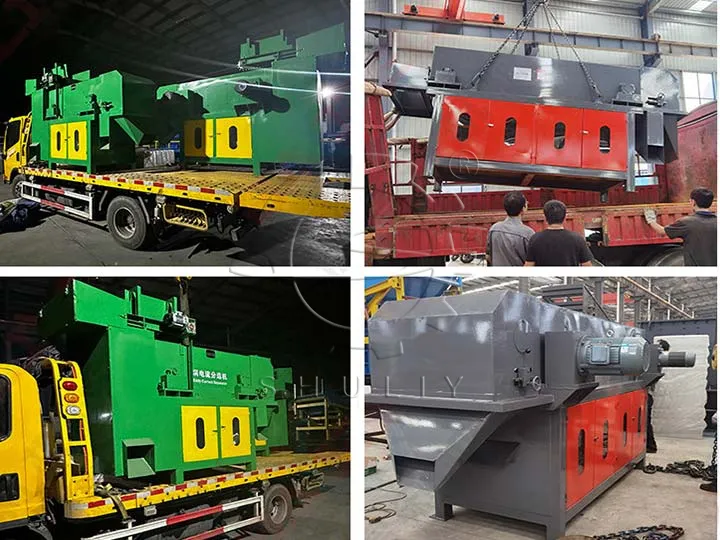
Mifano mingi ili kuendana na uwezo tofauti wa usindikaji
Kwa miradi ya urejelezaji wa alumini wa thermal break ya viwango tofauti, tunatoa mifano mingi ya separator ya umeme wa eddy yenye uwezo wa kusaga kuanzia tani 500 hadi 5 kwa saa.
Uchaguzi wa mfano maalum unategemea hali ya vifaa, ukubwa wa kusaga, na lengo la pato.
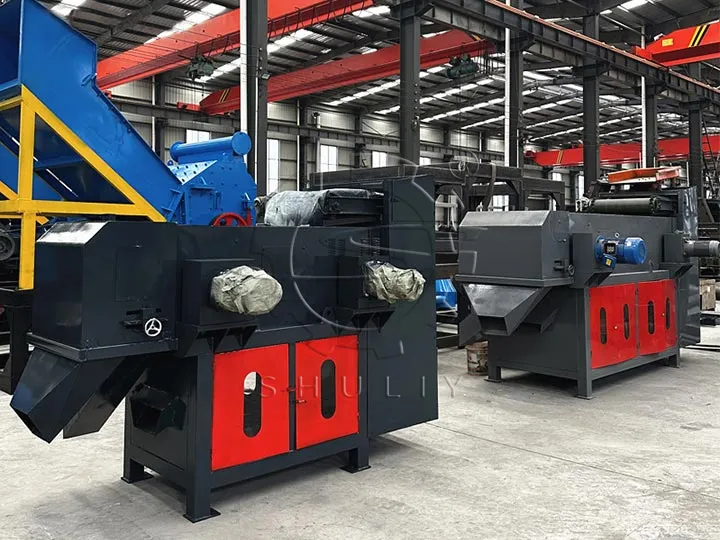
Kutoka kwa Ugavi wa Vifaa hadi Suluhisho Kamili la Alumini la Thermal Break
Hatupatii tu separator ya umeme wa eddy. Badala yake, tunalenga kubuni suluhisho kamili linalofaa kulingana na sifa za vifaa vya alumini wa thermal break, uwezo wa lengo, na hali za eneo la kazi.
Ikiwa unapanga au kuboresha mradi wa urejelezaji wa alumini wa thermal break, jisikie huru kuwasiliana nasi na mahitaji yako halisi. Tutatoa ushauri wa uteuzi wa vifaa na suluhisho la kitaalamu la kutenganisha.