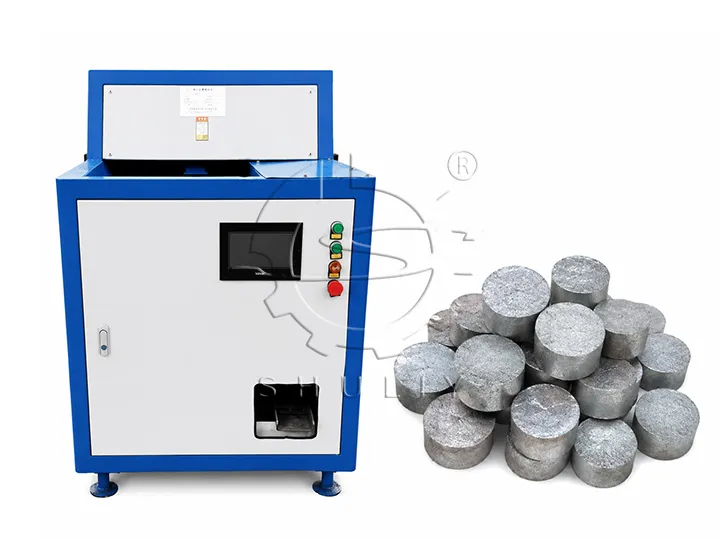
The metal chip briquetting machine is designed to turn loose metal chips and fine metal scrap into compact cylindrical briquettes through hydraulic pressure. It provides a practical way for machining plants, foundries, aluminum profile manufacturers, and metal recycling businesses to handle the large amount of waste generated during metal processing.
Metal chips are valuable recyclable materials, but their loose form can make collection, storage, transportation, and furnace charging inconvenient. By compressing these materials into dense briquettes, the metal waste becomes easier to handle and more suitable for recycling and remelting.
Why Compress Metal Chips?
Metal chips from turning, milling, drilling, cutting, and casting operations often have a low bulk density. A large quantity of chips can therefore occupy considerable floor space even though the actual amount of metal is relatively high.
Loose chips can also contain cutting oil, coolant, or other processing residues. Their irregular shape and large surface area may make direct furnace charging less convenient.
The briquetting process changes the physical form of the waste without changing the basic metal material. After compression, the material becomes a solid, easy-to-handle briquette.
For metal processing businesses, this can provide several practical benefits:
- More efficient use of storage space
- Easier handling and transportation
- More convenient furnace charging
- Better organization of metal waste
- Improved recovery of valuable metal materials
- Reduced loss caused by handling loose chips
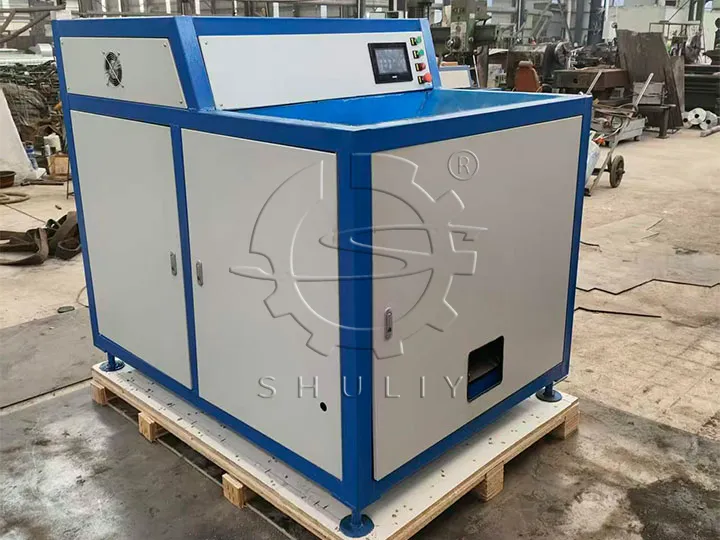
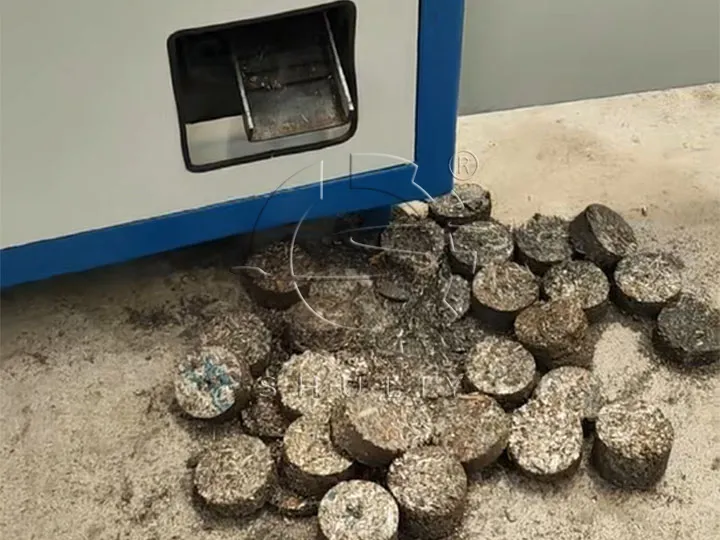
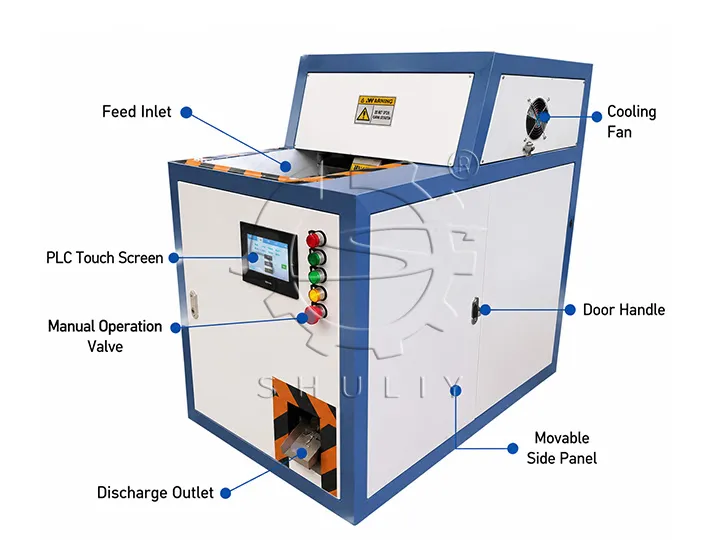
Materials Suitable for Metal Chip Briquetting
The metal chip briquetting machine can be used with many types of metal waste. The exact result depends on the material properties and machine configuration.
Aluminum Chips
Aluminum machining plants can generate large quantities of aluminum turnings and chips. Compressing them into briquettes makes the waste easier to collect and transport for remelting.
Typical materials include:
- Aluminum alloy chips
- Aluminum turnings
- Aluminum machining scrap
- Fine aluminum particles
Copper Chips
Copper and copper-alloy processing can also produce valuable machining waste. Copper chips can be compacted into briquettes for easier storage and subsequent recycling.
Iron and Steel Chips
Iron chips, cast iron chips, and steel turnings are commonly produced by machining and metalworking operations. Briquetting these materials creates compact blocks that are easier to handle before being returned to the melting process.
Stainless Steel Chips
Stainless steel machining generates long or irregular chips that can be difficult to store efficiently. Compression can make these scraps more compact and manageable.
Metal Powders and Fine Scrap
Depending on their characteristics, certain granular metal materials and metal powders can also be processed by a suitable briquetting system.
Common examples include:
- Iron powder
- Aluminum powder
- Copper powder
- Fine metal particles
A material test is recommended before selecting the final machine configuration.
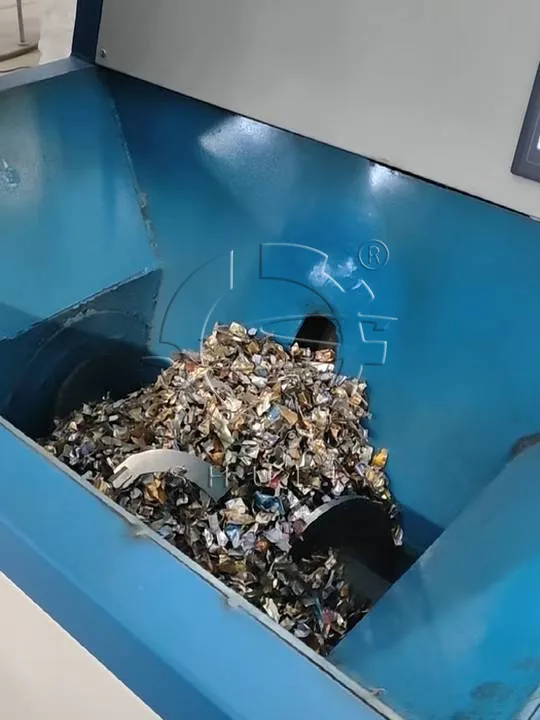
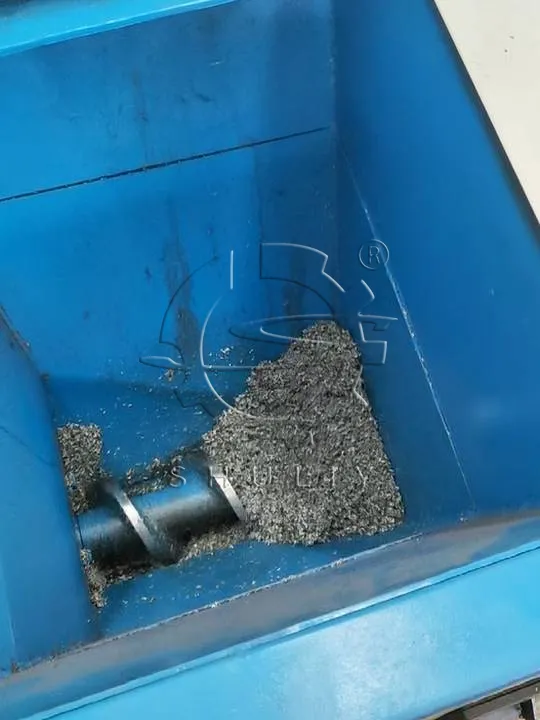
From Loose Scrap to Compact Briquettes
The working process of the metal chip briquetting machine is based on hydraulic compression.
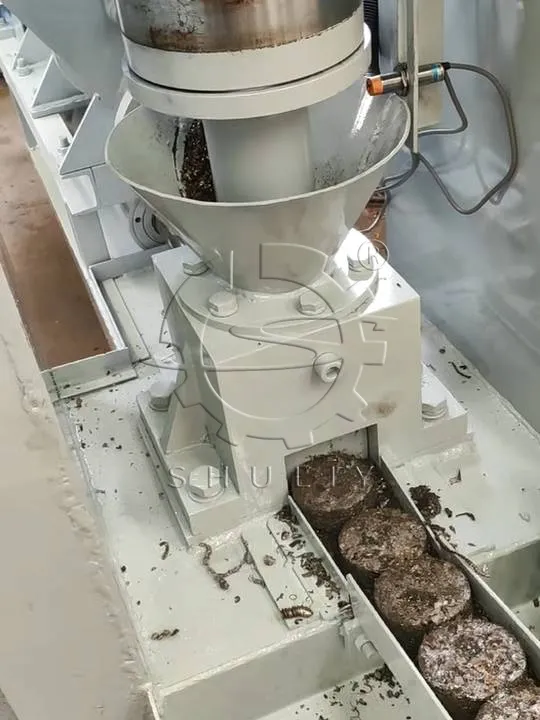
First, the prepared metal chips are loaded into the feeding section. The material enters the compression chamber, where a hydraulic cylinder drives the pressing head.
As the pressure increases, the loose chips are compacted inside the mold. The machine maintains pressure during the forming stage so that the material becomes sufficiently dense.
Once the compression cycle is completed, the formed briquette is pushed out of the mold and discharged from the machine.
The next cycle can then begin.
One important characteristic of this process is that the metal is cold pressed. The machine does not rely on heating or chemical binders to form the briquette.
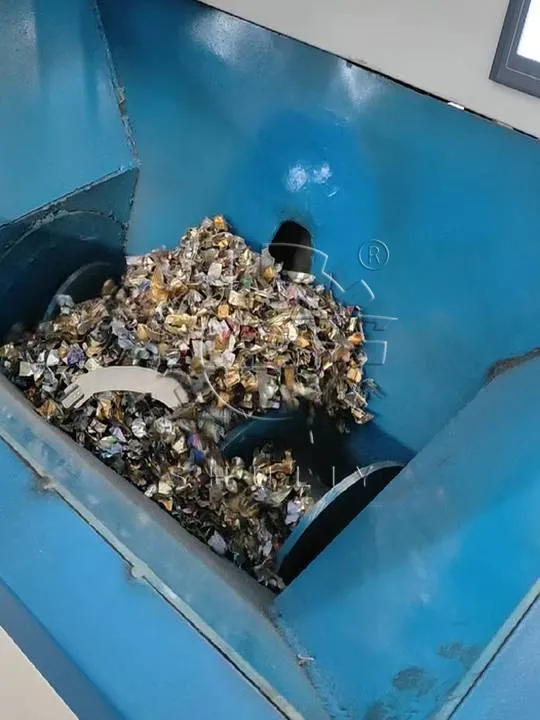
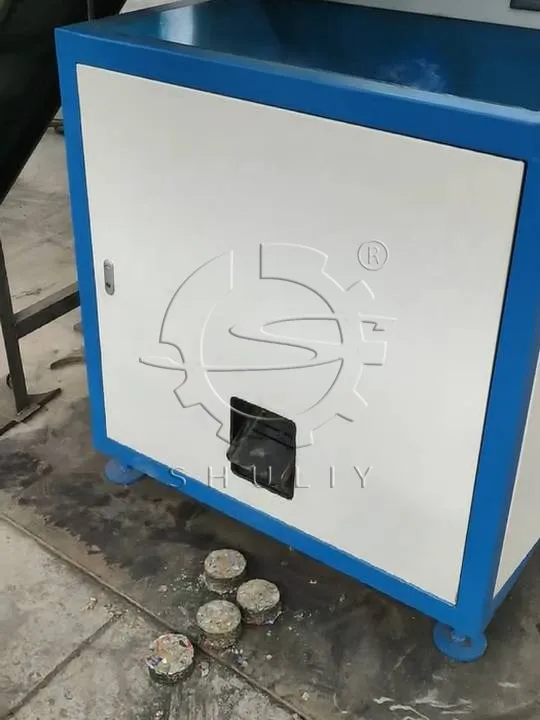
What Do the Finished Briquettes Look Like?
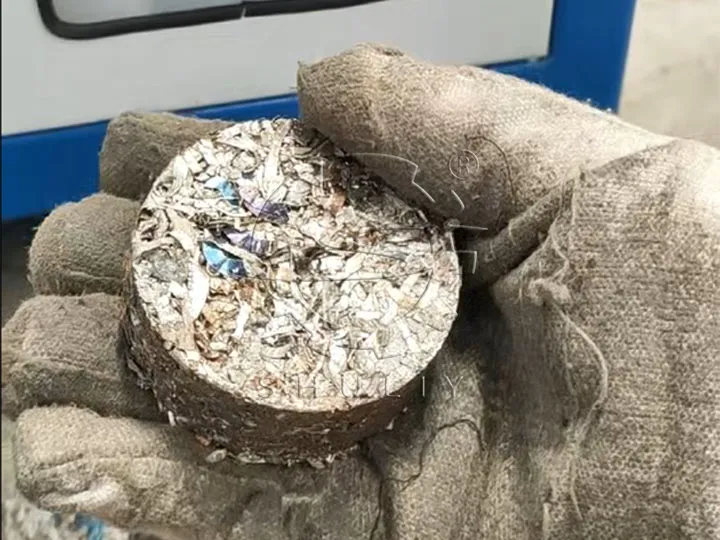
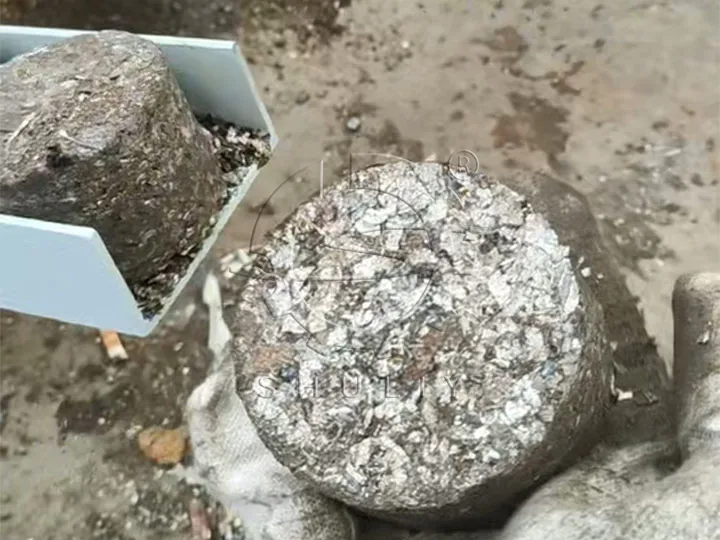
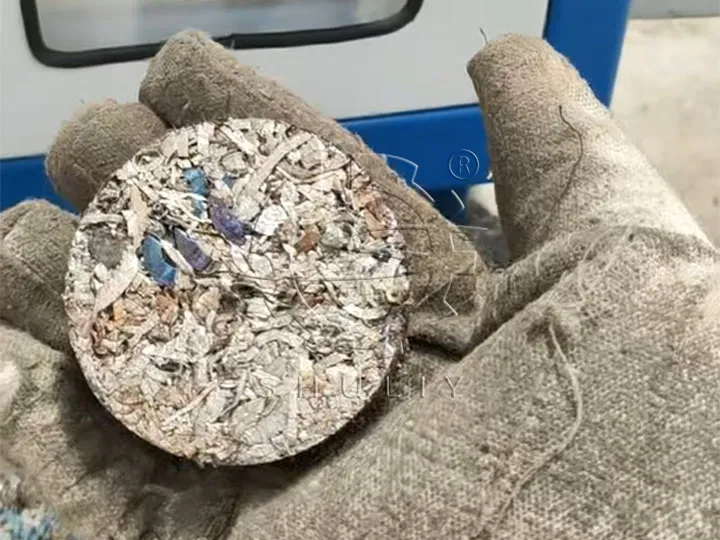
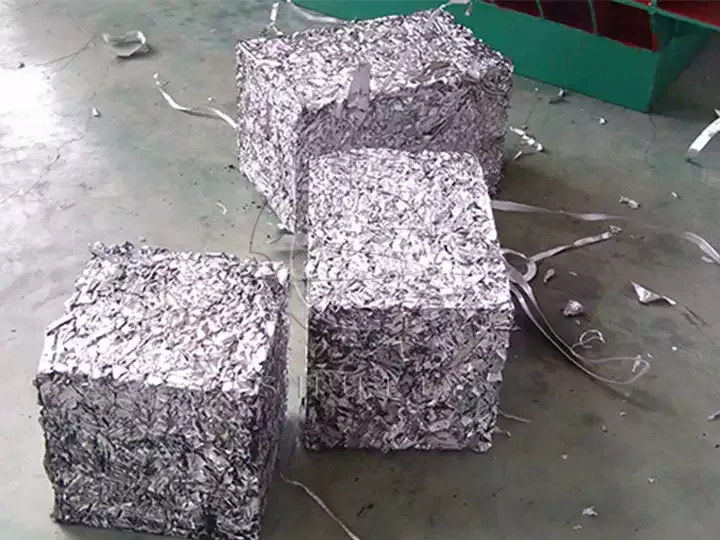
The finished products are generally compact cylindrical metal briquettes. Depending on the material and machine configuration, the briquettes can have different densities and sizes.
Our metal chip briquetting machine can produce briquettes weighing approximately 3–6 kg per piece under suitable operating conditions.
The compact shape provides several advantages compared with loose chips. Briquettes can be stacked more easily, loaded into vehicles more efficiently, and handled with standard material-handling equipment.
For foundries and metal processing companies, the briquettes can also serve as convenient furnace feedstock.
Reducing Metal Loss During Recycling
One reason businesses choose a metal chip briquetting machine is to improve the handling of recyclable metal before remelting.
Loose chips have a relatively large surface area compared with their volume. During melting, this can contribute to oxidation and material loss, particularly with certain metals.
By compressing the chips into dense briquettes, the amount of exposed surface area can be reduced. The compact material is also easier to charge into a furnace in a controlled manner.
Briquetting does not replace the melting process, but it can improve the physical condition of the scrap before it enters the recycling stage.
Two Equipment Options for Different Requirements
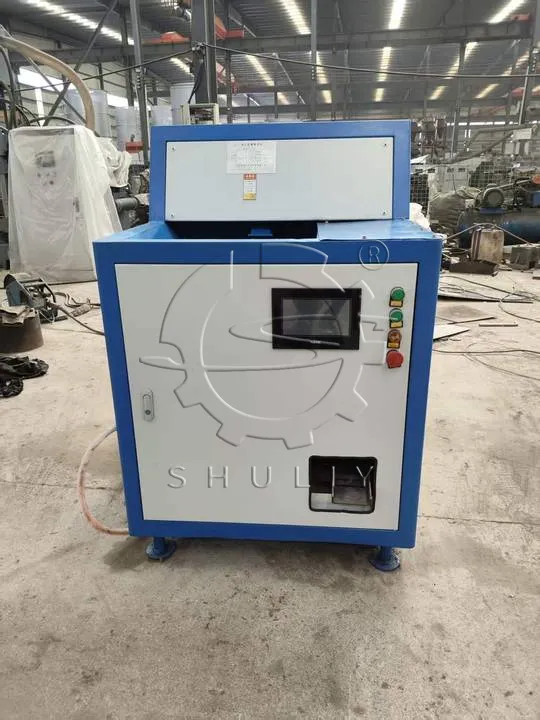
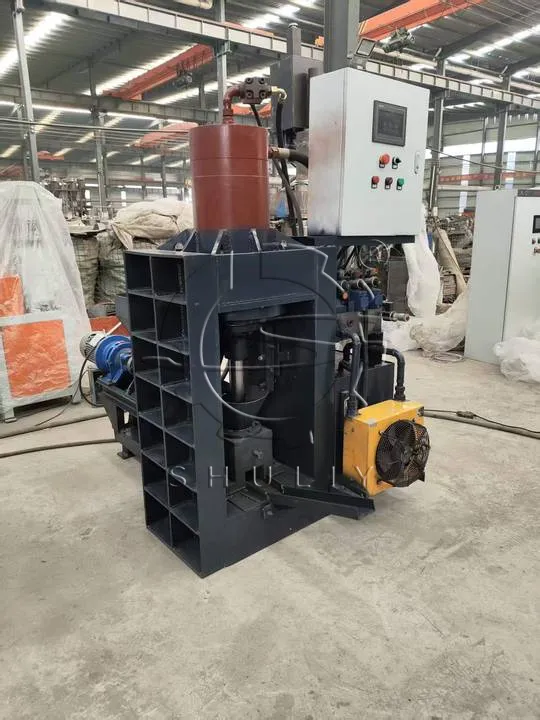
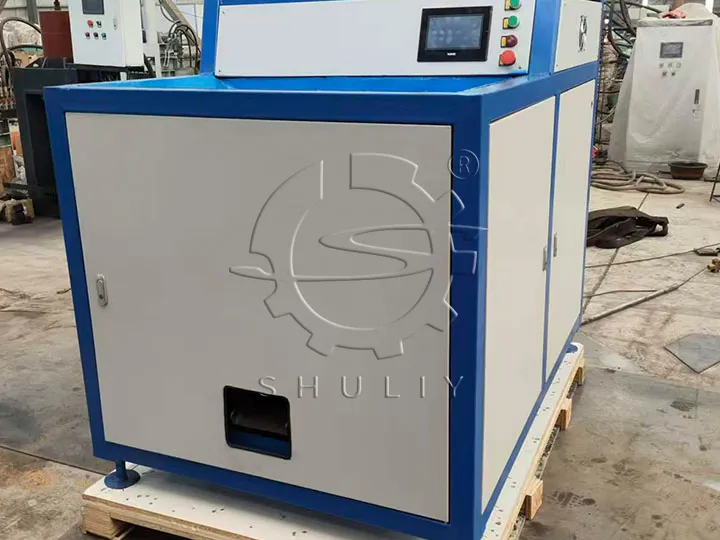
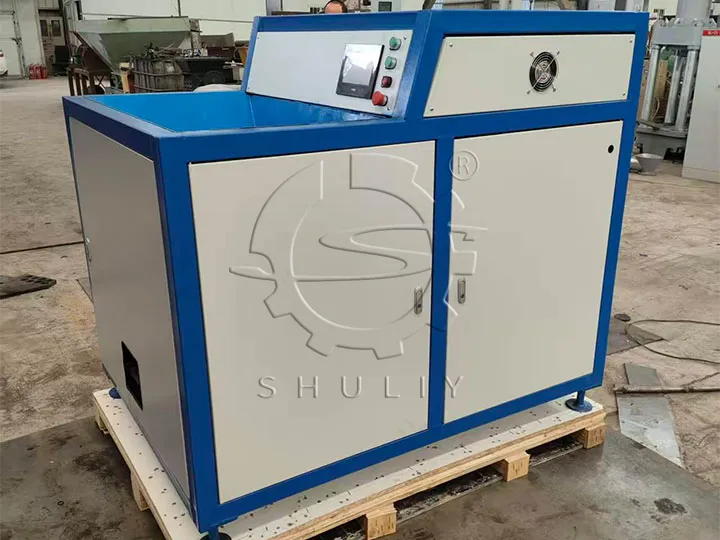
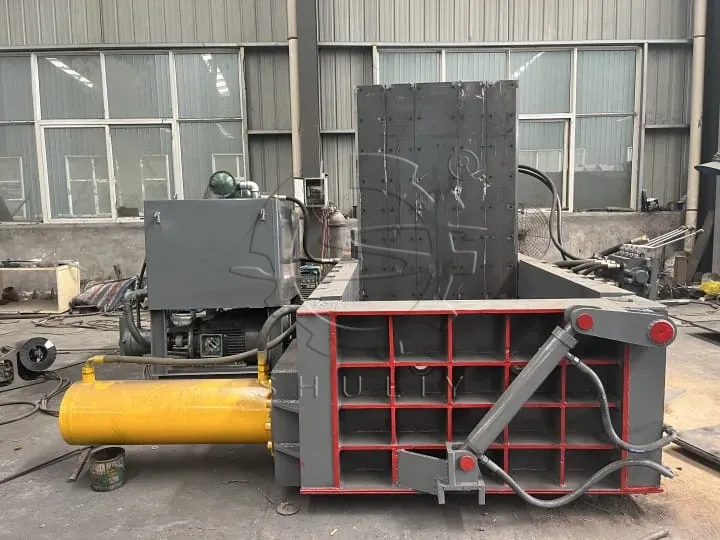
We provide two versions of metal chip briquetting machines: a vertical hydraulic type and a box-type metal briquetting machine.
Rather than selecting a machine only by model name, we recommend equipment according to the customer’s actual working conditions.
Key Benefits for Metal Processing Plants
A metal chip briquetting machine can become an important part of a metal waste management system.
- Compact Storage: Large quantities of loose chips can be transformed into dense briquettes, helping make better use of the available storage area.
- Convenient Transportation: The regular shape and higher bulk density of briquettes make loading, transportation, and handling easier.
- Better Furnace Charging: Compact metal briquettes are easier to collect and feed into a furnace than loose, irregular chips.
- No Binder Required: The metal briquetting machine forms the briquettes through mechanical and hydraulic pressure. No additional binding agent is required during normal operation.
- No Heating Process: The material is compressed directly under hydraulic pressure, so the briquetting stage does not require a separate heating system.
- Improved Scrap Management: Instead of storing different types of loose chips in piles or containers, companies can process the waste into organized, compact products.
Metal Chip Briquetting Machine vs. Metal Baler
A metal chip briquetting machine and a metal baler are both used for metal scrap recycling, but they handle different types of materials.
A metal chip briquetting machine is designed for loose metal chips and small metal waste, such as aluminum chips, copper chips, iron chips, steel chips, and stainless steel chips. It compresses these materials into compact cylindrical briquettes for easier storage, transportation, and remelting.
A metal baler is mainly used for larger and bulkier scrap metal, such as scrap steel sheets, aluminum cans, metal plates, and other bulky waste. It compresses them into square or rectangular bales.
| アイテム | Metal Briquetting Press | Metal Baler |
| Materials | Metal chips and small metal waste | Large and bulky scrap metal |
| Typical Materials | Aluminum, copper, iron, steel chips | Scrap steel, metal sheets, cans |
| Finished Product | Cylindrical briquettes | Square or rectangular bales |
Frequently Asked Questions of The Metal Chip Briquetting Machine
Can the machine process aluminum chips?
Yes. Aluminum chips and aluminum alloy machining waste are common materials for metal briquetting. The final machine configuration should be selected according to the specific aluminum scrap.
Can copper and steel chips be compressed?
Yes. Copper chips, iron chips, steel chips, stainless steel chips, and cast iron chips can be processed with suitable equipment.
Does metal briquetting require a binder?
No. The machine uses hydraulic compression to form the briquettes, so an external binder is normally not required.
Does the process require heating?
No. Metal chips are compressed through a cold briquetting process. There is no need to heat the material before compression.
How heavy is one briquette?
The finished briquettes can generally weigh around 3–6 kg per piece, depending on the material and machine configuration.
Metal Chip Briquetting Machine for Your Recycling Project
The right briquetting solution depends heavily on the type of metal waste being processed. Aluminum turnings, copper chips, cast iron chips, and steel scrap can have very different characteristics, so machine selection should be based on actual material conditions.
We can recommend a suitable metal chip briquetting machine according to your material, required output, briquette specifications, and available factory space.
Before purchasing, customers can provide information about the metal type, approximate amount of waste generated, chip size, and desired briquette weight. Material testing can also be arranged when necessary.