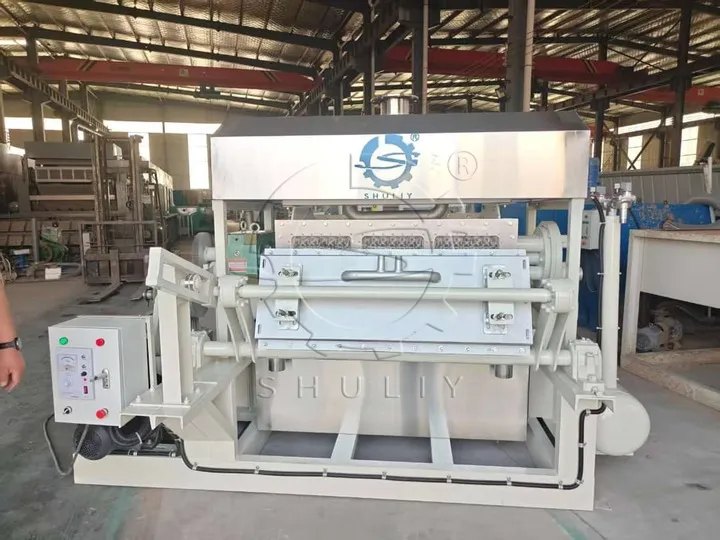
In der heutigen recyclingorientierten Wirtschaft spielt eine Eierkartonmaschine eine entscheidende Rolle bei der Umwandlung von wertlosem Altpapier in gefragte Verpackungsprodukte. Von weggeworfenen Zeitungen bis zu gebrauchten Kartons verwandelt diese Technologie Papierabfälle in geformte Pulpprodukte wie Eierkartons, Obstschalen und Industrieverpackungen. Aber wie funktioniert dieser Prozess genau — und warum ist er so profitabel?
Was ist eine Eierkartonmaschine?
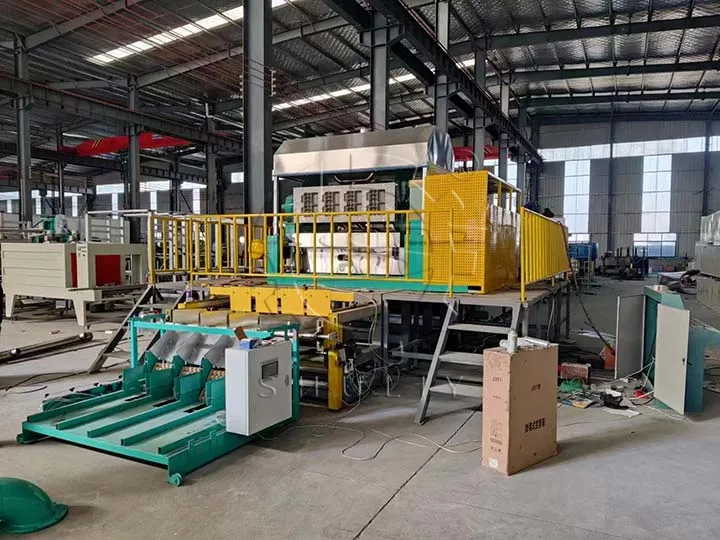
Eine Eierkarton-Herstellungsanlage ist eine Art Pulpe-Formungsgerät, das entwickelt wurde, um Altpapier in geformte Faserprodukte umzuwandeln. Es integriert mehrere Systeme, darunter Pulpen, Formen, Trocknen und manchmal Heißpressen, um langlebige und umweltfreundliche Verpackungen herzustellen.
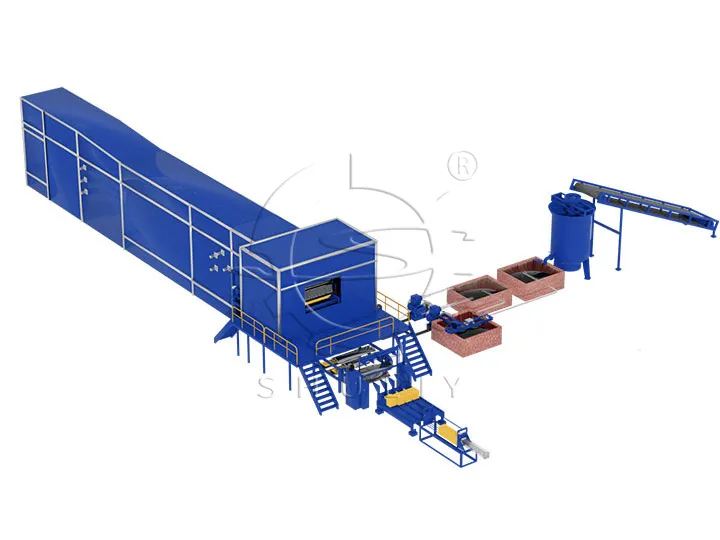
Schritt-für-Schritt-Prozess: Von Altpapier zu Eierkartons
1. Pulpen: Zerkleinerung von Altpapier
Der Prozess beginnt mit der Sammlung von Rohstoffen wie Altpapier, Pappe und Büropapier. Diese Materialien werden in einen Hydrapulper eingespeist, wo sie mit Wasser vermischt und zu einer einheitlichen Pulpe zerkleinert werden.
Dieser Schritt stellt sicher, dass die Fasern richtig getrennt werden, um das Grundmaterial für die Formung zu bilden.
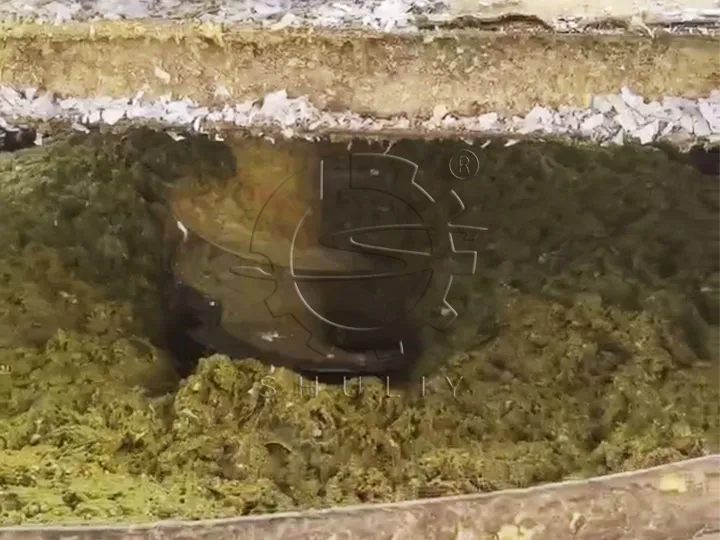
2. Pulpenvorbereitung und Reinigung
Nach dem Pulpen wird die Pulpe in Speichertanks übertragen, wo Verunreinigungen wie Kunststoff, Heftklammern oder Sand entfernt werden. Es können auch Zusätze hinzugefügt werden, um die Festigkeit und Qualität des Endprodukts zu verbessern.
Diese Phase ist entscheidend für die Herstellung glatter und gleichmäßiger Eierkartons.
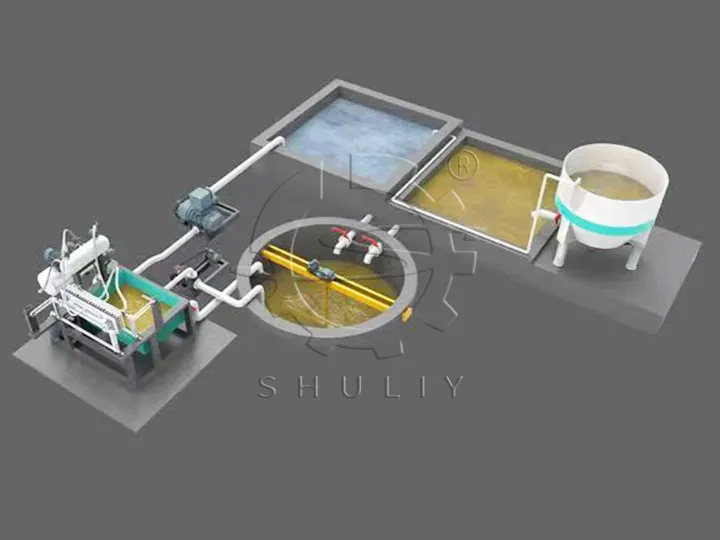
3. Formen: Das Produkt gestalten
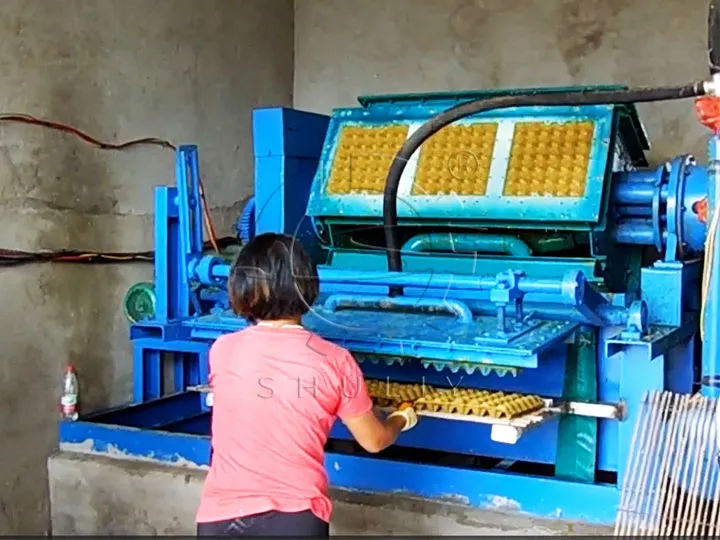
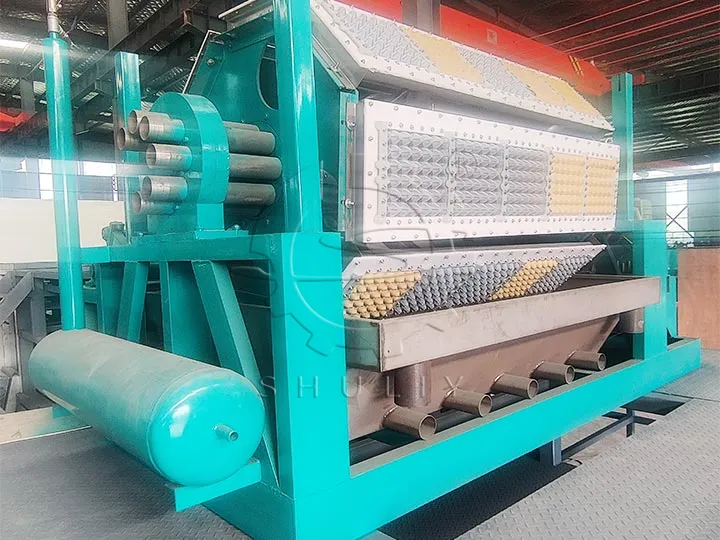
Der vorbereitete Pulpe wird dann in die Eierkarton-Formmaschine gepumpt. Mit speziell entwickelten Formen und Vakuumsaugung wird die Pulpe zu Eierkartons oder anderen Verpackungsformen geformt.
Überschüssiges Wasser wird während dieses Prozesses entfernt, und die feuchten Schalen werden mit einer definierten Struktur geformt.
4. Trocknen: Feuchtigkeitsentfernung
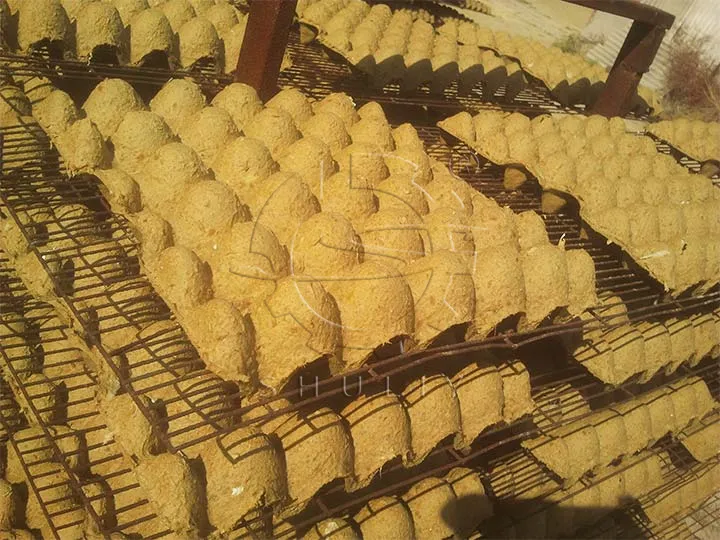
Die nassen Schalen werden in ein Trocknungssystem überführt. Je nach Konfiguration kann die Trocknung erfolgen durch:
- Natürliche Sonnentrocknung (für Kleinbetriebe)
- Ziegelofen-Trocknung
- Metall-Trocknungsanlagen mit kontrollierter Temperatur
Dieser Schritt reduziert den Feuchtigkeitsgehalt und sorgt dafür, dass die Schalen stark und langlebig sind.
5. Heißpressen (optional)
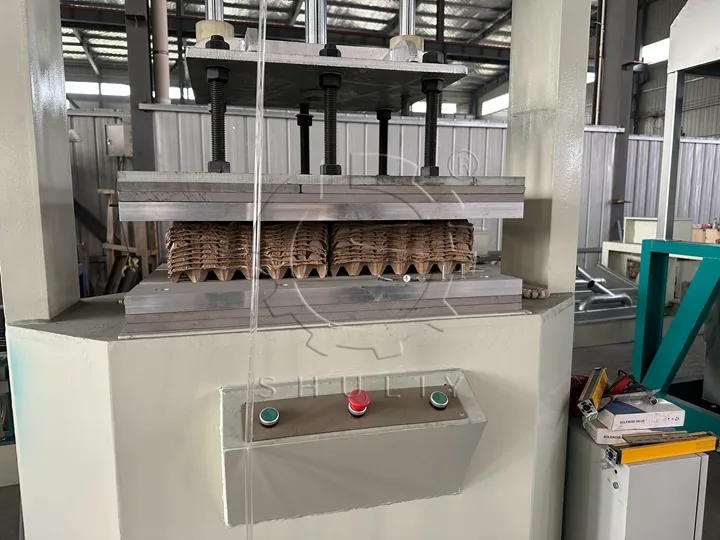
Für Produkte höherer Qualität wird eine Heißpressmaschine verwendet, um die Schalen weiter zu trocknen und zu formen. Dies verbessert die Oberflächenbeschaffenheit und die Festigkeit, wodurch die Schalen attraktiver und für Exportmärkte geeignet werden.
Endprodukte und deren Marktwert
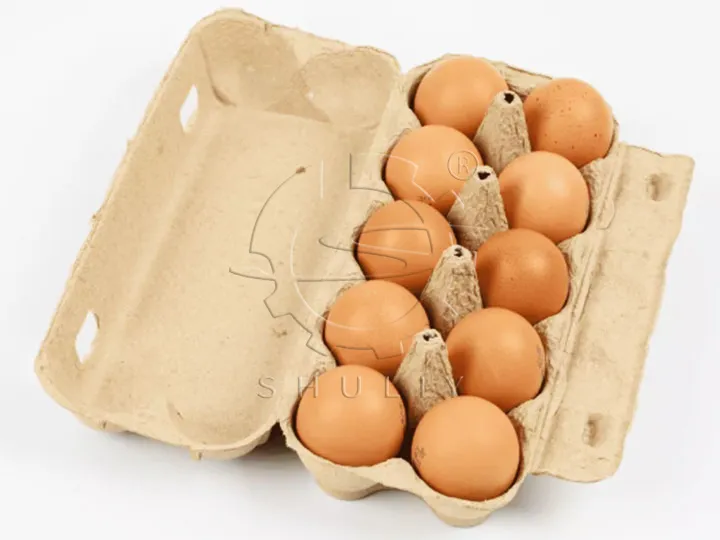
Eierkartonmaschinen können eine Vielzahl geformter Pulpprodukte herstellen, einschließlich, aber nicht beschränkt auf:
- Eierschalen (für Geflügelfarmen)
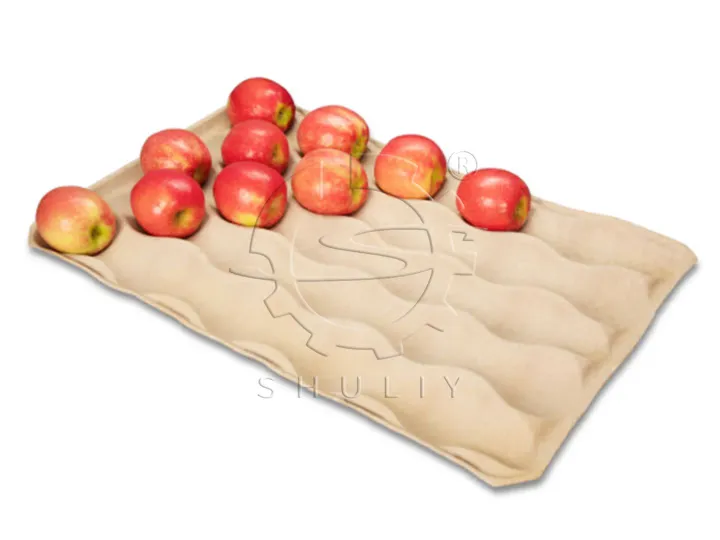
- Obstschalen (für Äpfel, Birnen usw.)
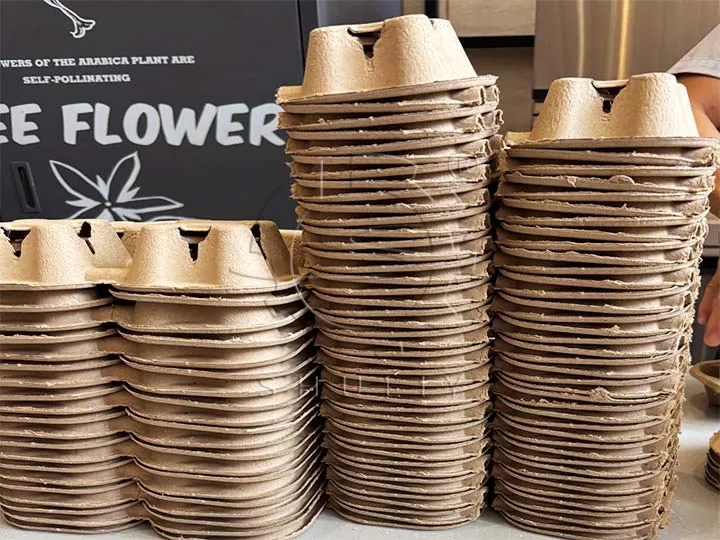
- Becherträger
- Industrielle Verpackungseinlagen
Diese Produkte sind biologisch abbaubar, recycelbar und werden aufgrund globaler Umweltvorschriften zunehmend nachgefragt.
Warum ist dieser Prozess profitabel
Niedrige Rohstoffkosten
Altpapier ist kostengünstig und weit verbreitet, was die Produktionskosten relativ niedrig macht.
Hohe Marktnachfrage
Mit dem Aufstieg nachhaltiger Verpackungen ersetzen geformte Pulpprodukte Kunststoffalternativen.
Skalierbare Produktion
Eierkartonmaschinen gibt es in verschiedenen Kapazitäten, sodass Unternehmen klein anfangen und schrittweise expandieren können.
Abschluss
Eine Eierkartonmaschine bietet eine praktische und nachhaltige Möglichkeit, Abfallpapier in wertvolle Produkte umzuwandeln. Durch die Integration von Pulpen, Formung und Trocknungstechnologien können Unternehmen kostengünstige Rohstoffe in gefragte Verpackungslösungen verwandeln.
Wenn Sie in die Recycling- oder Verpackungsbranche einsteigen möchten, kann die Investition in eine Eierkarton-Produktionslinie eine kluge und zukunftssichere Entscheidung sein.