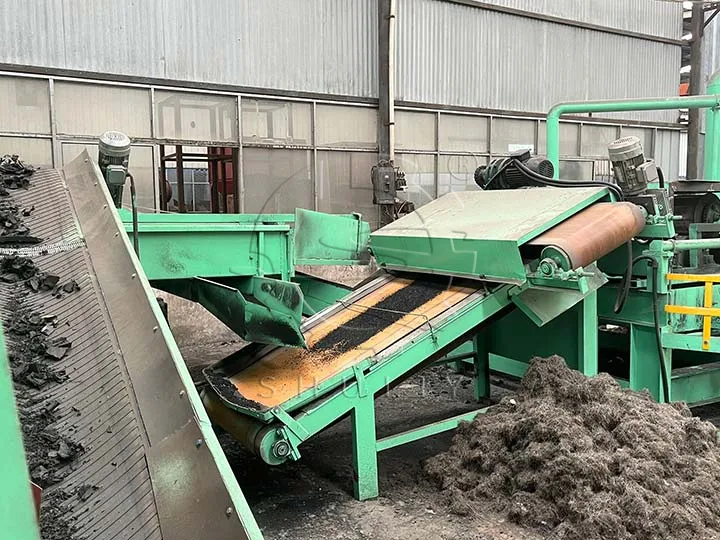
Mit zunehmendem Umweltbewusstsein und strengeren Abfallmanagementvorschriften ist das Recycling und die Wiederverwendung von Altreifen zu einem wichtigen Bestandteil der Kreislaufwirtschaft geworden. Unter den verschiedenen Recyclingmethoden ist die Verarbeitung von Reifen zu Gummipulver eine der am weitesten verbreiteten Lösungen. Die Gummipulvermaschine spielt in diesem Prozess eine zentrale Rolle. Anstatt sich nur auf eine einfache Produktvorstellung zu konzentrieren, behandelt dieser Artikel ihre industrielle Rolle, Anwendungslogik und Markttrends.
Die Position der Gummipulverherstellung im Reifenrecycling
In a complete Reifenrecyclinglinie, rubber powder production is usually located in the mid-to-late stage. Before this step, tires must go through pre-processing such as bead removal, primary shredding, and steel separation.
Die Aufgabe einer Gummipulvermaschine besteht nicht nur im Zerkleinern, sondern auch in der Weiterverarbeitung von Gummigranulaten zu feinem Pulver mit bestimmten Partikelgrößen, um verschiedene nachgelagerte Anwendungen zu erfüllen, wie:
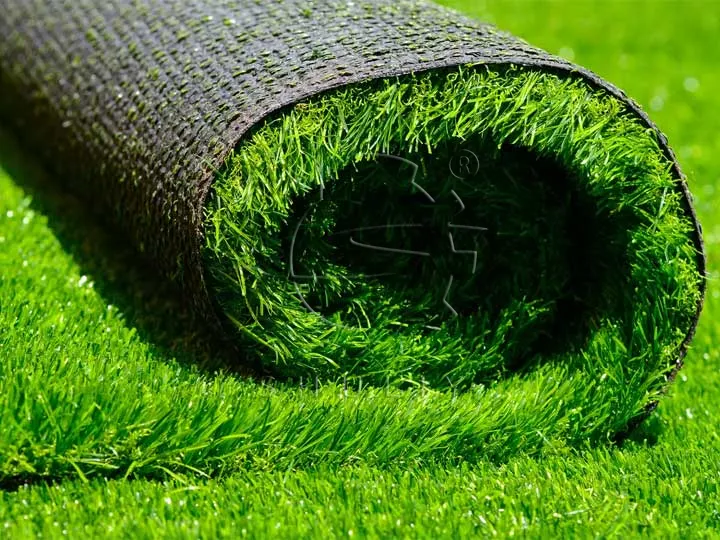
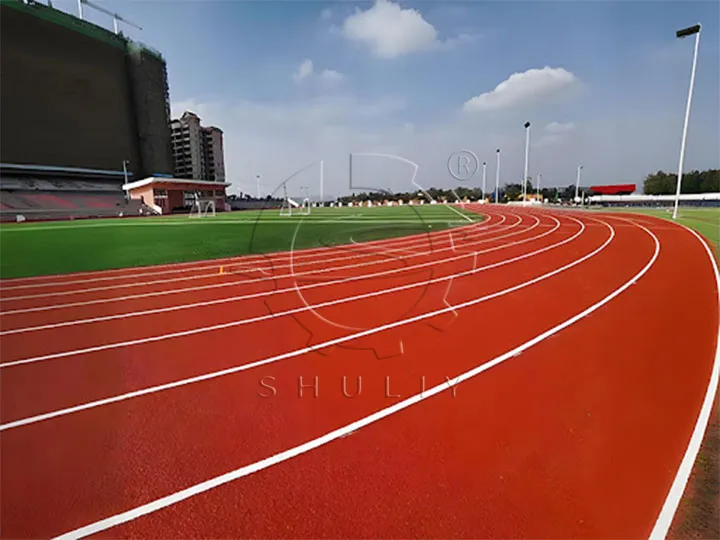
- Gummibodenbeläge und Sportflächen
- Recycelte Gummiprodukte
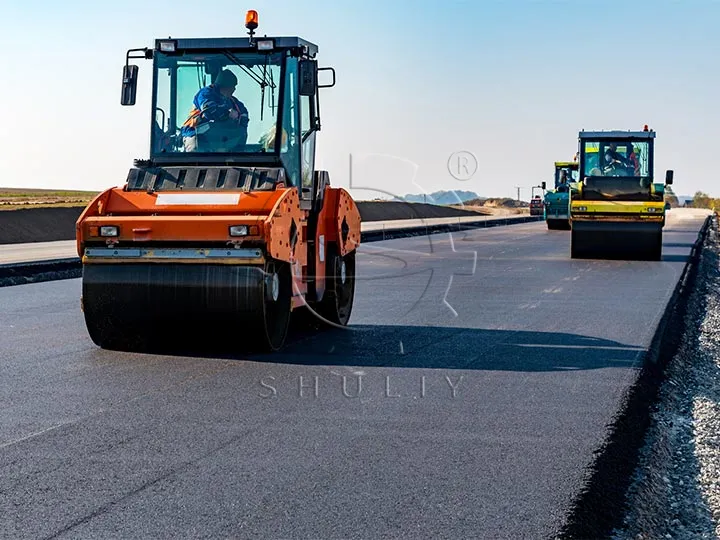
- Modifiziertes Asphalt
- Industrielle Füllstoffe
Daher wirken sich Partikelgrößenkonsistenz, Reinheit und Stabilität direkt auf den kommerziellen Wert des Endprodukts aus.
Verschiedene Anwendungsanforderungen an Gummipulver
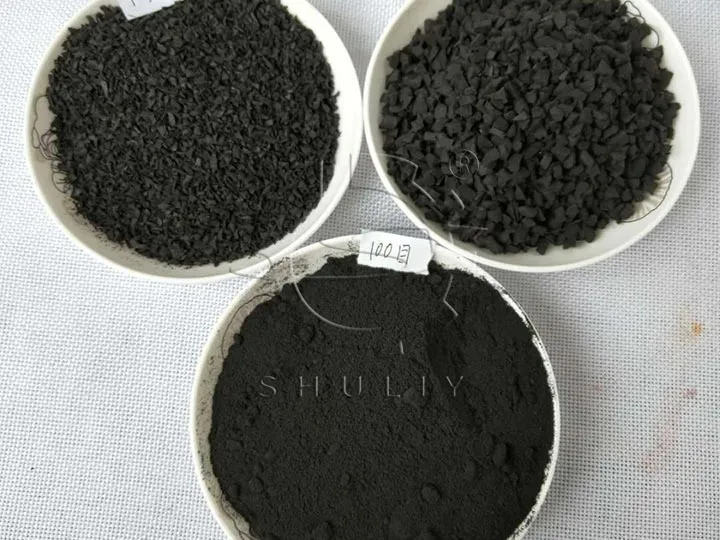
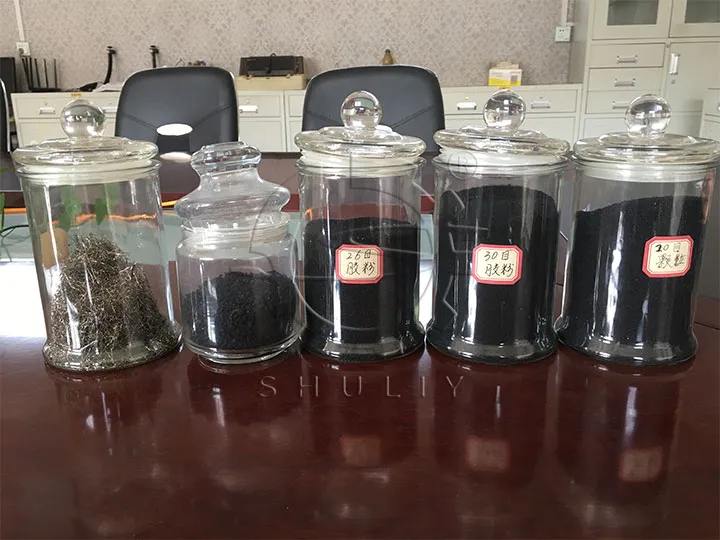
Ein wichtiger Aspekt, der von Anfängern oft übersehen wird, ist, dass unterschiedliche Anwendungen unterschiedliche Gummipulverspezifikationen erfordern.
Zum Beispiel:
- Sportbodenmaterialien: erfordern einheitliche Partikelgröße
- Recycelte Gummiprodukte: Fokus auf niedrigen Verunreinigungsgehalt und Feinheit
- Asphaltmodifikation: erfordert stabile Leistung und Alterungsbeständigkeit
This means that selecting a Gummipulvermaschine should not only focus on capacity, but also on the final application.
Wichtige Herausforderungen bei der Gummipulverherstellung
In der realen Produktion ist die Verarbeitung von Gummipulver nicht einfach „je feiner, desto besser“. Es muss ein Gleichgewicht zwischen mehreren Faktoren gefunden werden:
Balance zwischen Energieverbrauch und Feinheit
Feineres Pulver erfordert einen höheren Energieeinsatz. Daher hilft die Kontrolle der Feinheit basierend auf der Marktnachfrage, die Betriebskosten zu senken.
Stahl- und Faseraussonderung
Auch nach Vorbehandlung können kleine Mengen an Stahl oder Fasern verbleiben. Effiziente Trennsysteme sind wichtig, um die Produktqualität zu verbessern.
Branchentrends
Mit den sich entwickelnden Marktanforderungen entwickelt sich die Produktionstechnologie von Gummipulver in den folgenden Richtungen weiter:
Erhöhte Automatisierung
Immer mehr Produktionslinien setzen auf automatisiertes Zuführen, Sortieren und zentrale Steuerungssysteme, um Arbeitskraft zu reduzieren und die Stabilität zu verbessern.
Wachsende Nachfrage nach Feinverarbeitung
Hochwertige Anwendungen erfordern feineres und reineres Gummipulver, was die Ausrüstung auf höhere Präzision treibt.
Energieeffizienz und Umweltfokus
Unter strengeren Umweltvorschriften werden energieeffiziente und emissionsarme Systeme zu einer Schlüsselentwicklungsrichtung.
Warum unsere Gummipulvermaschine wählen
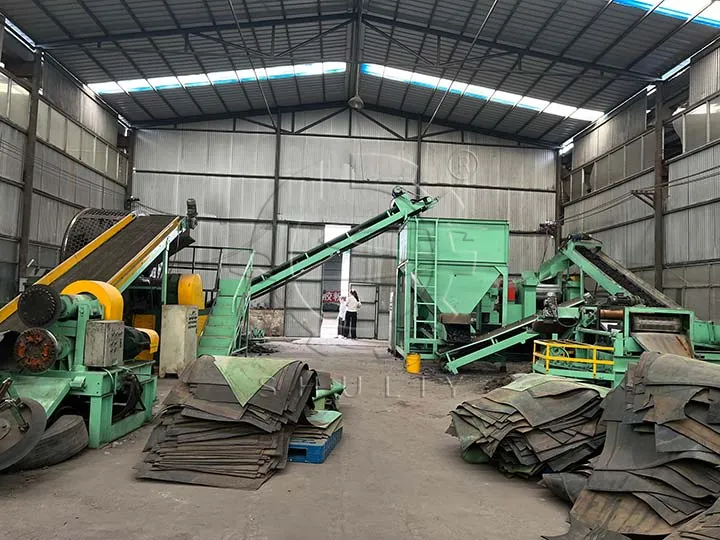
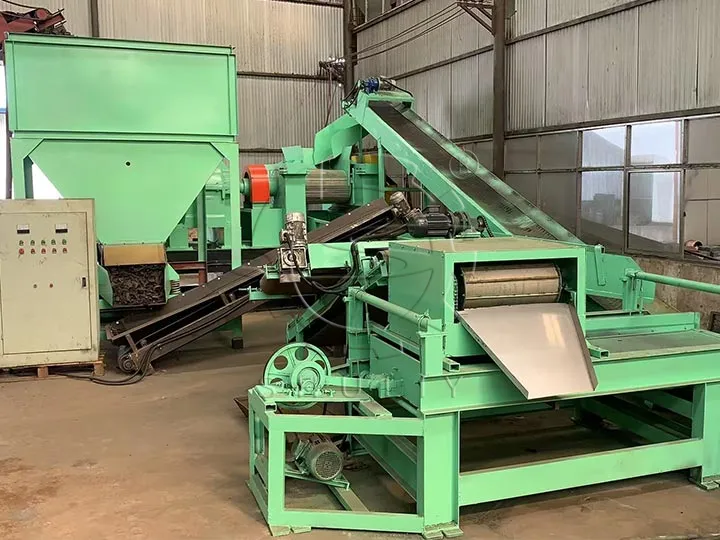
Bei Gummipulverproduktionsprojekten sind Systemstabilität und Linienintegration oft wichtiger als einzelne Maschinendaten. Unser Unternehmen verfügt über umfangreiche Erfahrung in der Reifenrecycling- und Gummipulverproduktion. Wir bieten Lösungen, die auf unterschiedliche Rohstoffe, Kapazitätsanforderungen und Endproduktanwendungen zugeschnitten sind, anstatt nur einzelne Geräte zu liefern.
Unsere Gummipulversysteme bieten die folgenden Vorteile:
- Hohe Prozesskompatibilität: kann nahtlos mit vorgelagerten Geräten wie Zerkleinerung und Stahldeduktion integriert werden, um Materialverluste und manuelle Handhabung zu reduzieren.
- Stabiler Betrieb: optimierte Struktur für komplexe Arbeitsbedingungen mit Reststahldrähten und Fasern
- Verstellbare Partikelgröße: in der Lage, je nach Anwendungsbedarf unterschiedliche Feinheitsgrade zu produzieren
- Komplettlinienlösungen: nicht nur einzelne Maschinen, sondern auch vollständiges Produktionslinien-Design von Vorbehandlung bis Feinmahlung
- After-Sales-Support: Installationsanleitung, Prozessoptimierung und Upgrade-Lösungen zur Risikominderung für Kunden
Anstatt nur auf die Geräteleistung zu fokussieren, legen wir Wert auf langfristig stabile Produktion und die Gesamteffizienz des Systems, um Kunden zu helfen, eine konsistente und kontrollierbare Ausgabe zu erreichen.
Abschluss
Gummipulvermaschinen spielen eine wichtige Rolle in der Reifenrecyclingindustrie. Ihr Wert liegt nicht nur im Gerät selbst, sondern auch darin, wie sie in das gesamte Recycling-System integriert sind. Durch die Auswahl der richtigen Konfiguration basierend auf Anwendungsbedarf und Produktionszielen können Unternehmen bessere Effizienz und langfristige Rentabilität erzielen.
Wenn Sie planen, in die Reifenrecyclingbranche einzusteigen, wird eine vollständige Systembewertung empfohlen, um einen stabilen und nachhaltigen Betrieb zu gewährleisten.