橡胶粉碎机

橡胶粉碎机

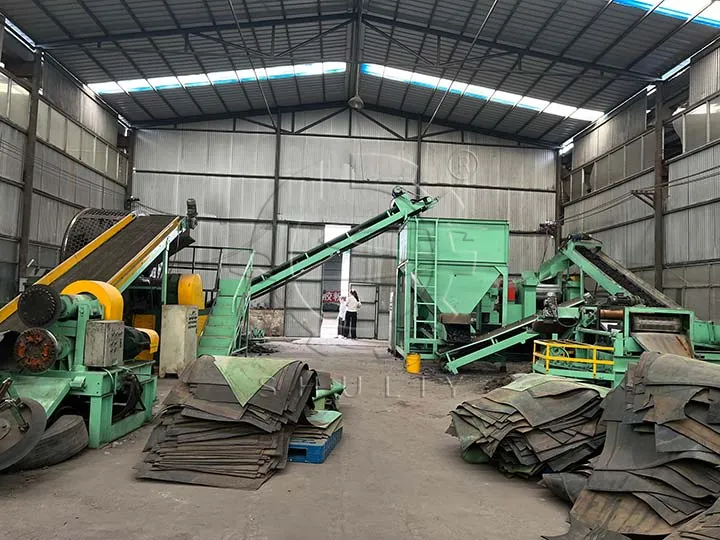
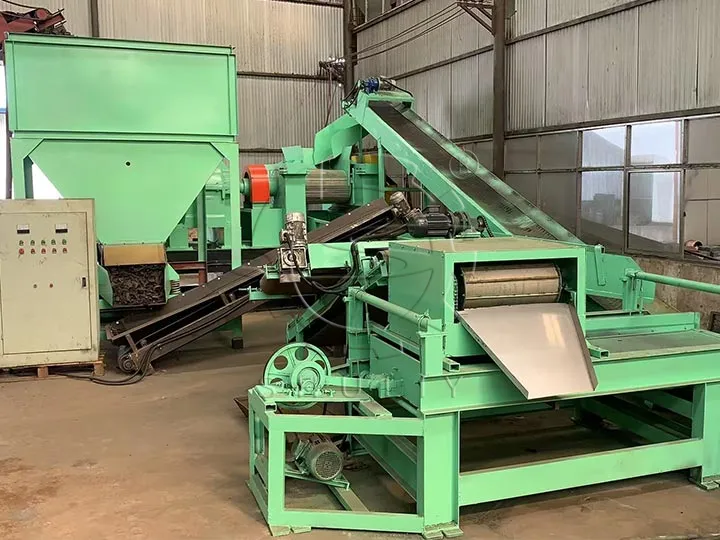
With increasing environmental awareness and stricter waste management regulations, the recycling and reuse of scrap tires has become an important part of the circular economy. Among various recycling methods, processing tires into rubber powder is one of the most widely adopted solutions. The rubber powder machine plays a central role in this process. Instead of focusing on a simple product introduction, this article discusses its industrial role, application logic, and market trends.

The Position of Rubber Powder Production in Tire Recycling

In a complete tire recycling line, rubber powder production is usually located in the mid-to-late stage. Before this step, tires must go through pre-processing such as bead removal, primary shredding, and steel separation.

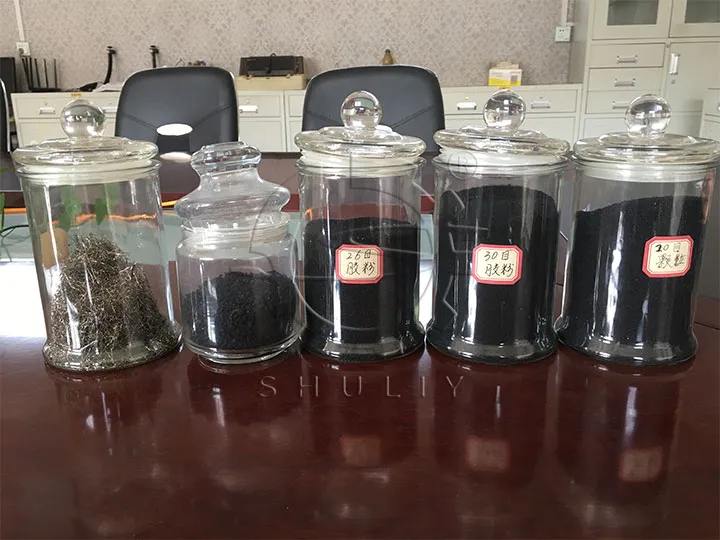
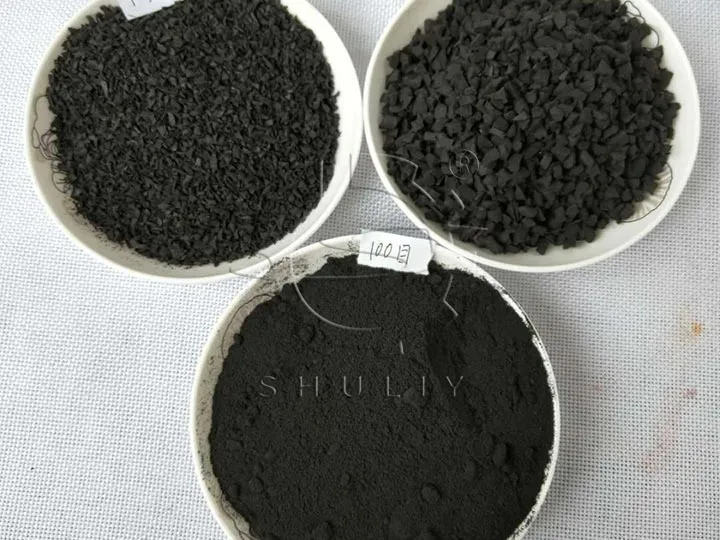
The role of a rubber powder machine is not only crushing, but further processing rubber granules into fine powder with specific particle sizes to meet different downstream applications, such as:

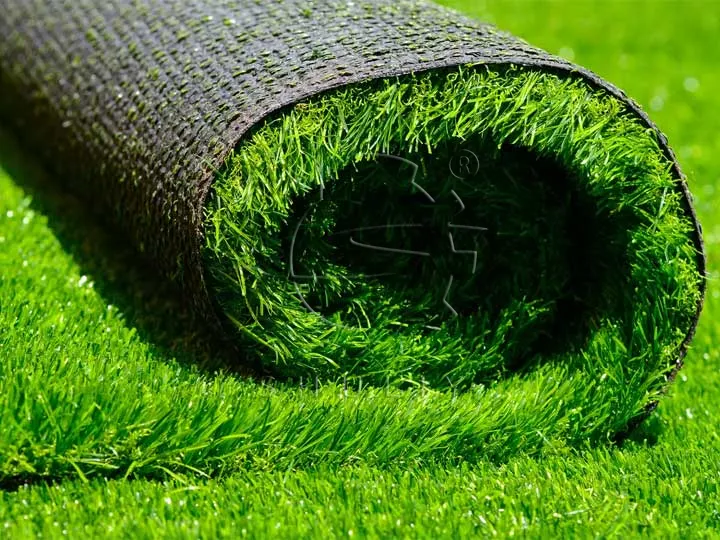
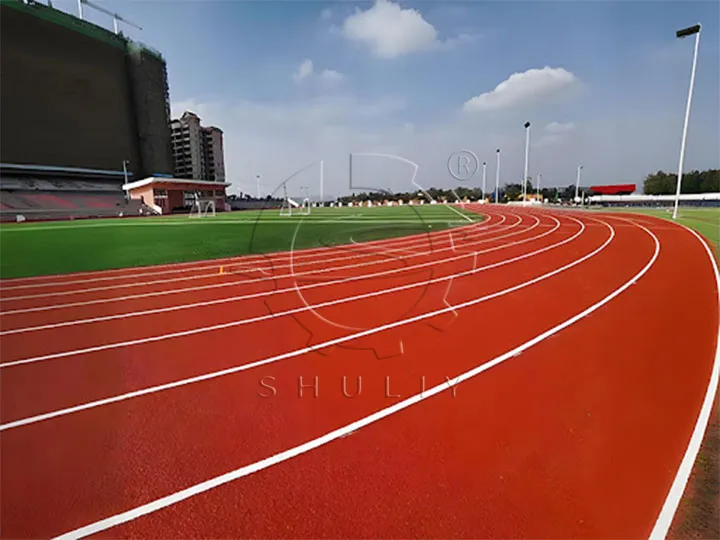
  • Rubber flooring and sports surfaces
  • Recycled rubber products
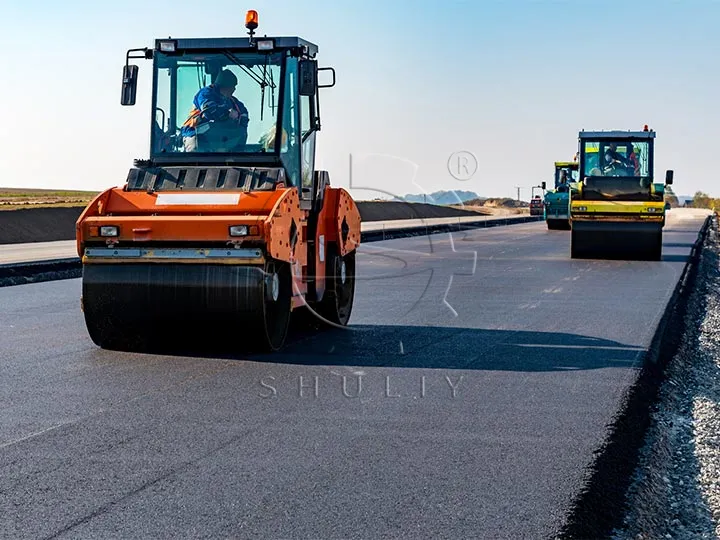
  • Modified asphalt
  • Industrial fillers

Therefore, particle size consistency, purity, and stability directly affect the commercial value of the final product.

Different Application Requirements for Rubber Powder

One important aspect often overlooked by beginners is that different applications require different rubber powder specifications.

For example:

  • Sports flooring materials: require uniform particle size
  • Recycled rubber products: focus on low impurity content and fineness
  • Asphalt modification: requires stable performance and aging resistance

This means that selecting a rubber powder machine should not only focus on capacity, but also on the final application.
Key Challenges in Rubber Powder Production

In real production, rubber powder processing is not simply “the finer, the better.” A balance must be achieved between several factors:

Balance Between Energy Consumption and Fineness

Finer powder requires higher energy input. Therefore, controlling fineness based on market demand helps reduce operating costs.

Steel and Fiber Separation

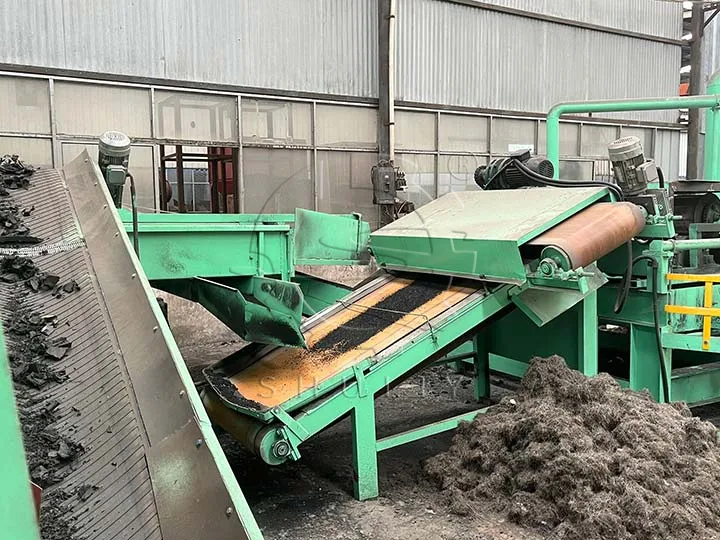
Even after pre-treatment, small amounts of steel or fiber may remain. Efficient separation systems are important for improving product quality.

Industry Development Trends

With evolving market demands, rubber powder production technology continues to develop in the following directions:

Increased Automation

More production lines are adopting automated feeding, sorting, and centralized control systems to reduce labor and improve stability.

Growing Demand for Fine Processing

High-value applications require finer and purer rubber powder, driving equipment toward higher precision.

Energy Efficiency and Environmental Focus

Under stricter environmental regulations, low-energy and low-emission systems are becoming a key development direction.

Why Choose Our Rubber Powder Machine

In rubber powder production projects, system stability and line integration are often more important than individual machine parameters. Our company has extensive experience in tire recycling and rubber powder production systems. We provide solutions tailored to different raw materials, capacity requirements, and final product applications, rather than only supplying standalone equipment.

Our rubber powder systems offer the following advantages:

  • High process compatibility: can be seamlessly integrated with upstream equipment such as shredding and steel separation, reducing material loss and manual handling
  • Stable operation: optimized structure for complex working conditions with residual steel wires and fibers
  • Adjustable particle size: capable of producing different fineness levels according to application needs
  • Complete line solutions: not only single machines but also full production line design from pre-treatment to fine grinding
  • After-sales support: installation guidance, process tuning, and upgrade solutions to reduce customer risk

Instead of focusing only on equipment performance, we emphasize long-term stable production and overall system efficiency, helping customers achieve consistent and controllable output.

结论

Rubber powder machines play an important role in the tire recycling industry. Their value lies not only in the equipment itself but also in how they integrate into the entire recycling system. By selecting the right configuration based on application needs and production goals, companies can achieve better efficiency and long-term profitability.

If you are planning to enter the tire recycling industry, a complete system-based evaluation is recommended to ensure stable and sustainable operation.

评价这篇文章