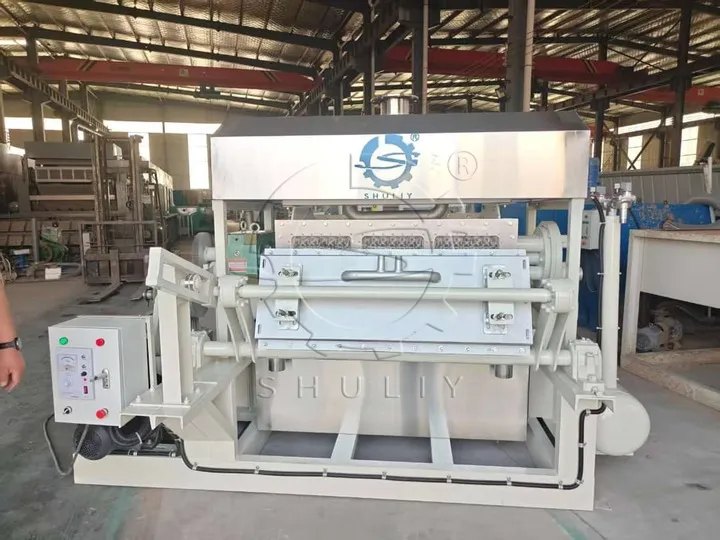
En la economía actual impulsada por el reciclaje, una máquina de bandejas de huevo desempeña un papel crucial en la conversión de papel de desecho de bajo valor en productos de embalaje de alta demanda. Desde periódicos descartados hasta cartones usados, esta tecnología transforma los residuos de papel en productos de pulpa moldeada como bandejas de huevo, bandejas de fruta y embalajes industriales. Pero, ¿cómo funciona exactamente este proceso y por qué es una oportunidad tan rentable?
¿Qué es una máquina de bandejas de huevo?
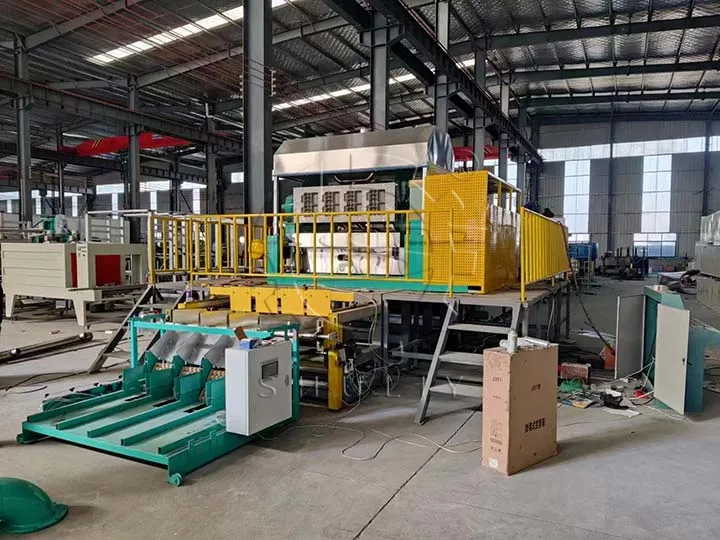
An planta de fabricación de bandejas de huevos is a type of pulp molding equipment designed to process waste paper into molded fiber products. It integrates several systems, including pulping, forming, drying, and sometimes hot pressing, to create durable and eco-friendly packaging.
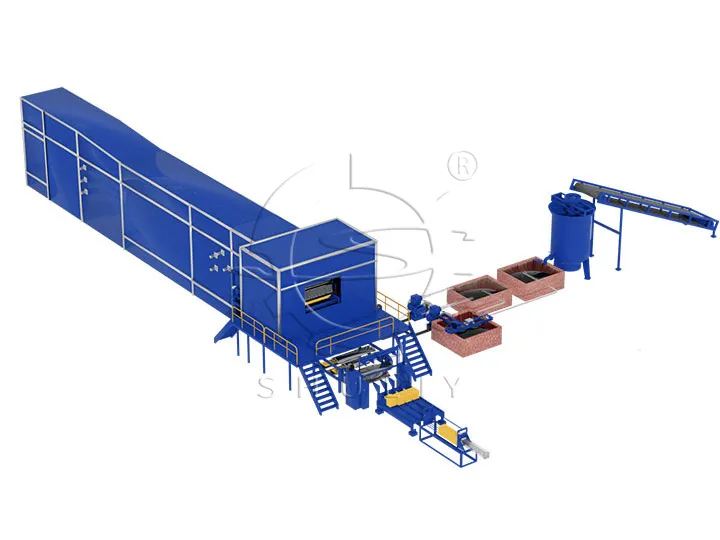
Proceso paso a paso: Desde papel de desecho hasta bandejas de huevo
1. Pulpa: Descomposición del papel de desecho
The process begins with collecting raw materials such as waste newspapers, cardboard, and office paper. These materials are fed into a hidrapulper, where they are mixed with water and broken down into a uniform pulp.
Este paso asegura que las fibras estén correctamente separadas, formando la materia prima para el moldeo.
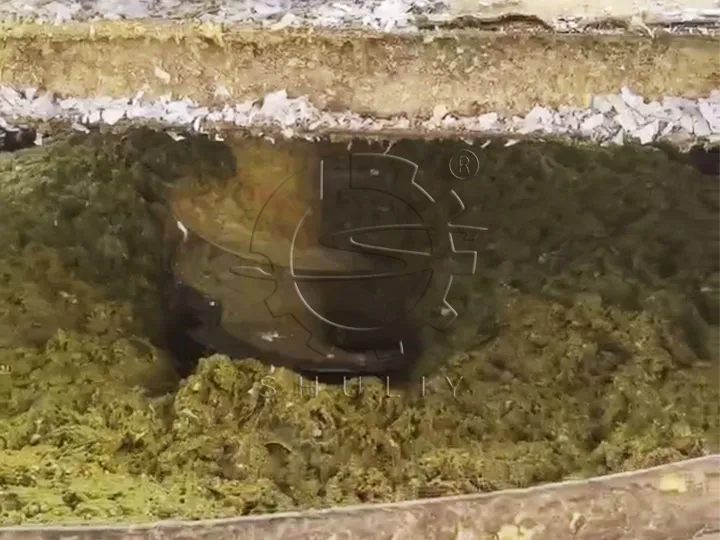
2. Preparación y limpieza de la pulpa
Después de la pulpa, la mezcla se transfiere a tanques de almacenamiento donde se eliminan impurezas como plástico, grapas o arena. También se pueden introducir aditivos para mejorar la resistencia y calidad del producto final.
Esta etapa es esencial para producir bandejas de huevo suaves y consistentes.
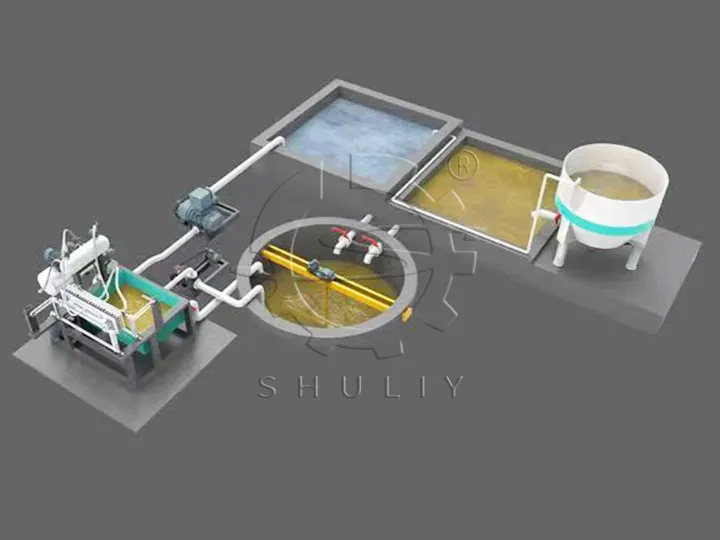
3. Moldeo: Formado del producto
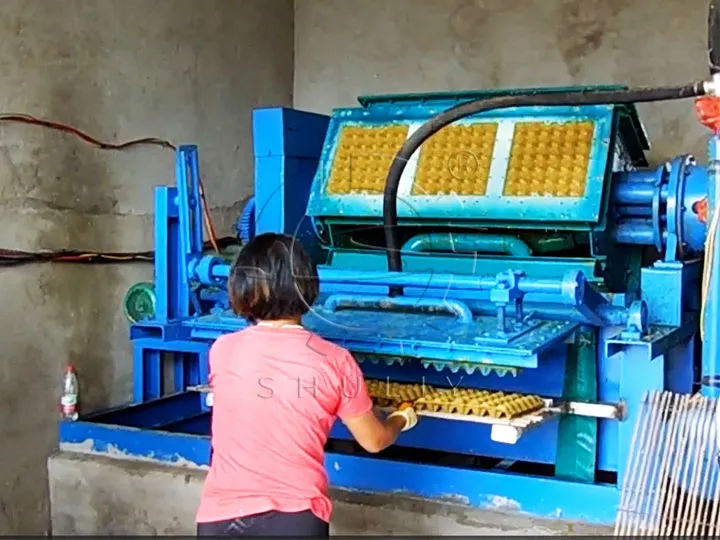
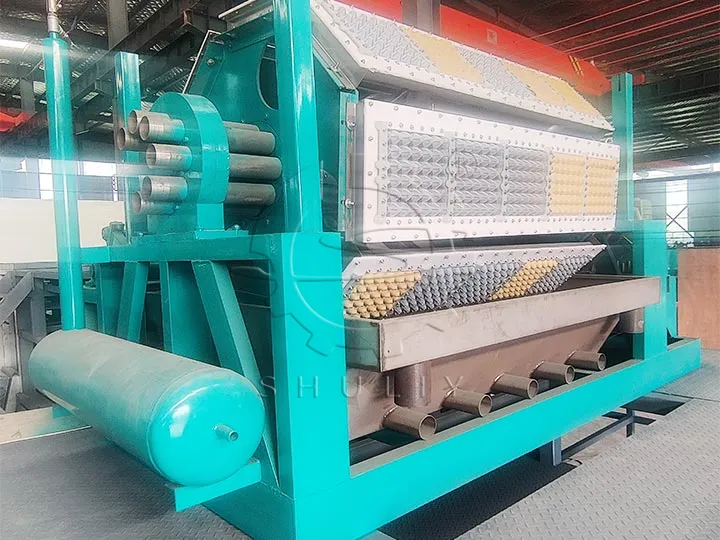
The prepared pulp is then pumped into the máquina formadora de bandejas de huevo. Using specially designed molds and vacuum suction, the pulp is shaped into egg trays or other packaging forms.
El exceso de agua se elimina durante este proceso, y las bandejas húmedas se forman con una estructura definida.
4. Secado: Eliminación de humedad
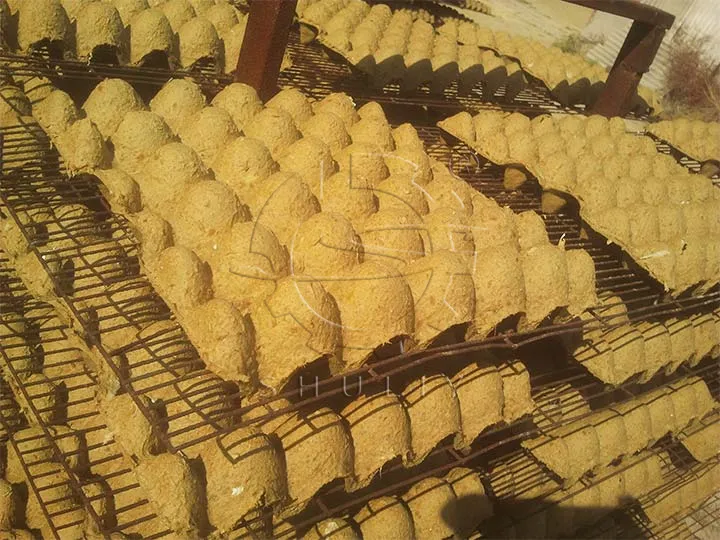
Las bandejas húmedas se transfieren a un sistema de secado. Dependiendo de la configuración, el secado puede realizarse usando:
- Secado natural al sol (para operaciones a pequeña escala)
- Secado en hornos de ladrillos
- Líneas de secado de metal con temperatura controlada
Este paso reduce el contenido de humedad y asegura que las bandejas sean fuertes y duraderas.
5. Prensado en caliente (Opcional)
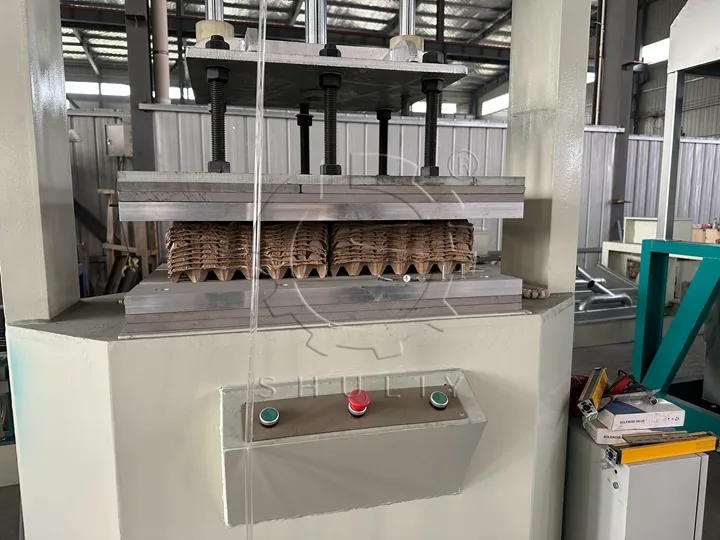
Para productos de mayor calidad, se utiliza una máquina de prensado en caliente para secar y dar forma adicional a las bandejas. Esto mejora la suavidad de la superficie y la resistencia, haciendo que las bandejas sean más atractivas y aptas para mercados de exportación.
Productos finales y su valor en el mercado
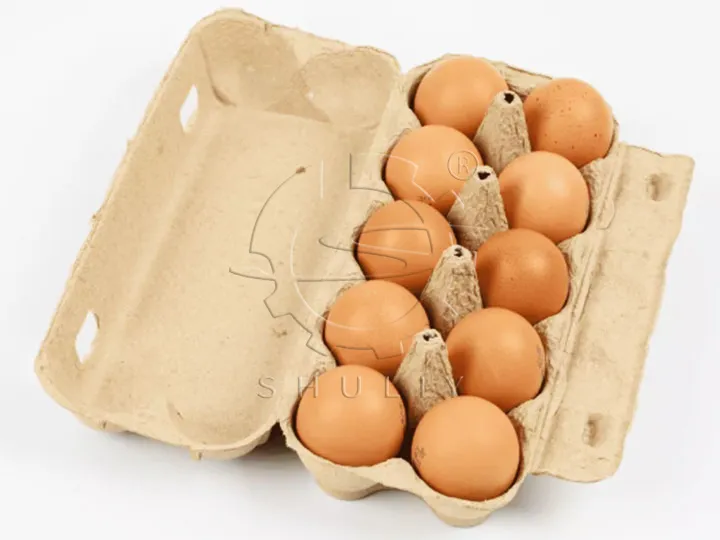
Las máquinas de bandejas de huevo pueden producir una variedad de productos de pulpa moldeada, incluyendo, pero no limitado a:
- Bandejas de huevo (para granjas avícolas)
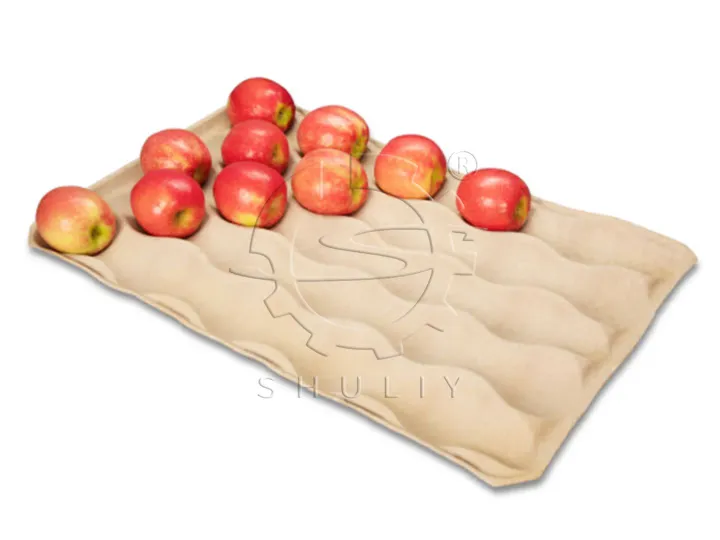
- Bandejas de fruta (para manzanas, peras, etc.)
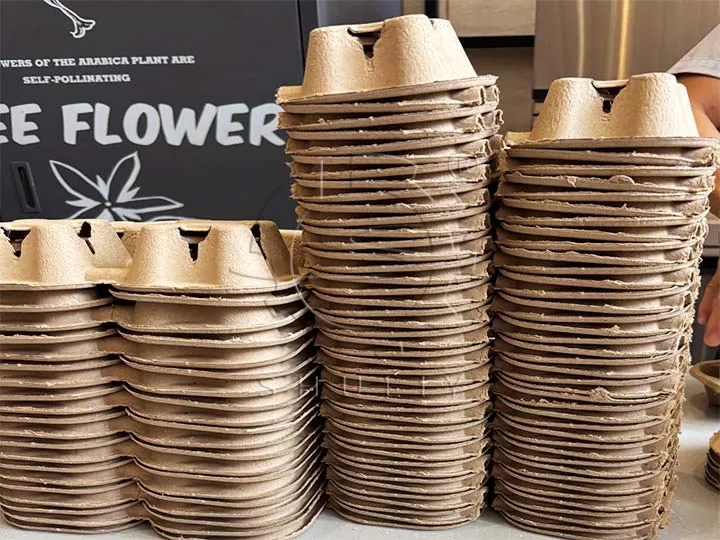
- Porta vasos
- Insertos de embalaje industrial
Estos productos son biodegradables, reciclables y cada vez más demandados debido a las regulaciones ambientales globales.
Por qué este proceso es rentable
Bajo costo de materia prima
El papel de desecho es barato y está ampliamente disponible, lo que hace que los costos de producción sean relativamente bajos.
Alta demanda en el mercado
Con el aumento del embalaje sostenible, los productos de pulpa moldeada están reemplazando a las alternativas plásticas.
Producción escalable
Las máquinas de bandejas de huevo vienen en varias capacidades, permitiendo a las empresas comenzar en pequeño y expandirse gradualmente.
Conclusión
Una máquina de bandejas de huevo ofrece una forma práctica y sostenible de convertir papel de desecho en productos valiosos. Al integrar tecnologías de pulpa, moldeo y secado, las empresas pueden transformar materias primas de bajo costo en soluciones de embalaje de alta demanda.
Si estás considerando ingresar en la industria del reciclaje o del embalaje, invertir en una línea de producción de bandejas de huevo puede ser una opción inteligente y a prueba de futuro.